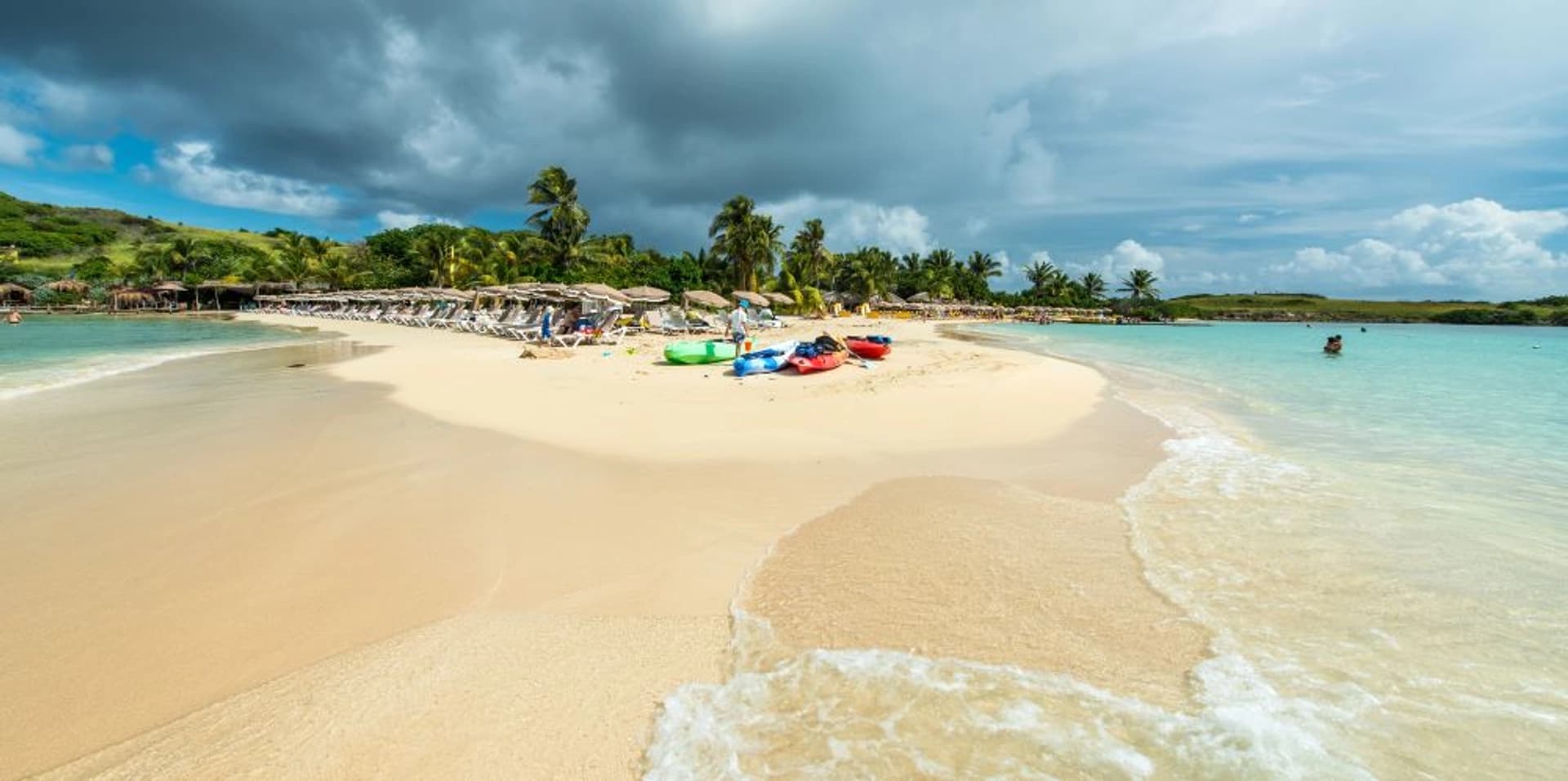
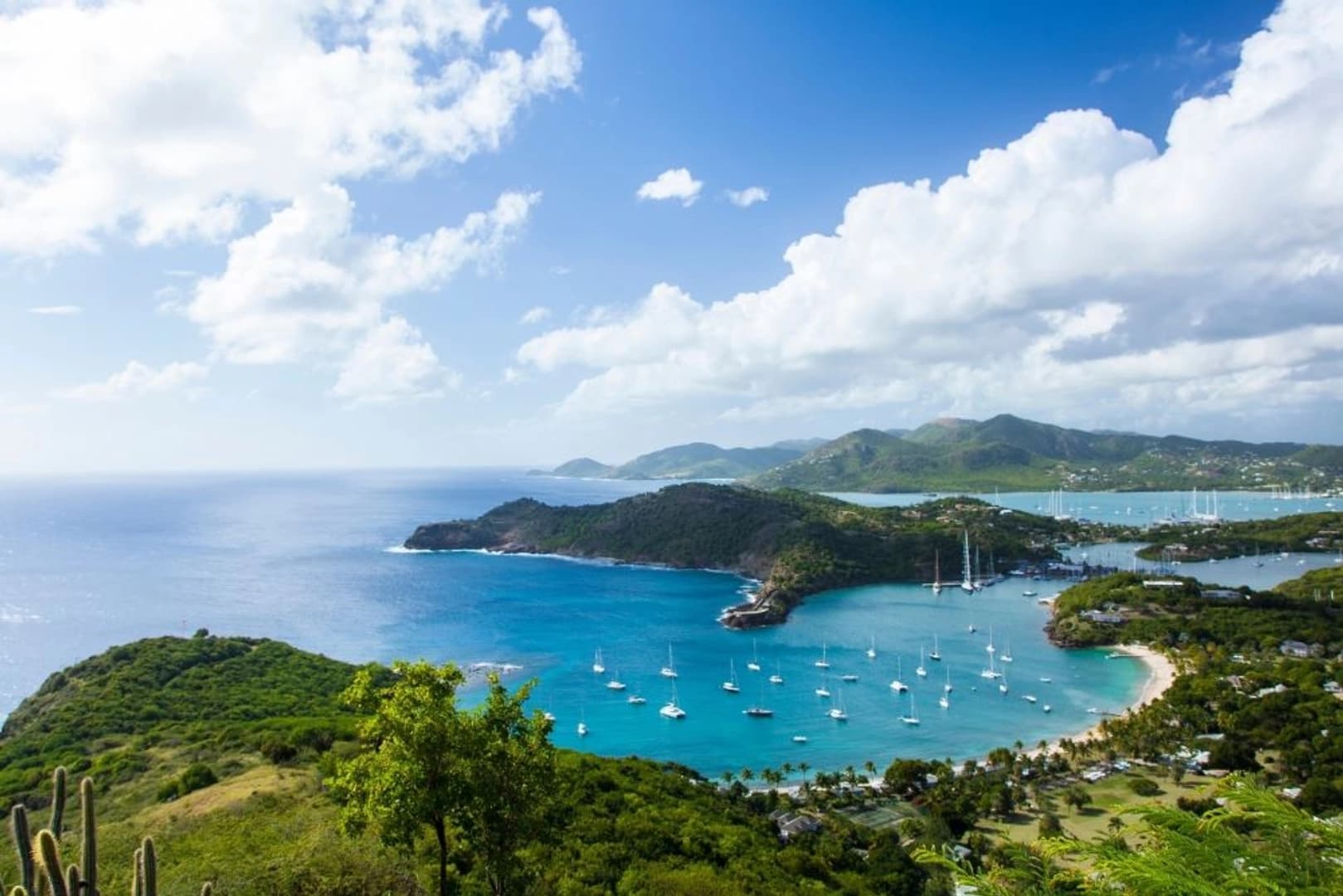
A binational island in the northeastern Caribbean split between French Saint-Martin and Dutch Sint Maarten since the 1648 Treaty of Concordia. For yachts the centerpiece is Simpson Bay Lagoon with bridge access and marinas on both sides, plus easy day hops to Orient Bay, Grand Case, Marigot and Pinel. Maho Beach sits at the end of Princess Juliana runway, where aircraft pass just overhead on final approach
A sheltered marina on the French side of Saint Martin, tucked inside the enclosed bay of Anse Marcel with a narrow, well-marked entrance channel. The facility lists 125 berths including about 50 for visitors, accommodating yachts up to 88 ft with a maximum draught of 2.5 m, and offers fuel, water and Wi-Fi. Set in hills that block northerly swell, the basin is known as a reliable hurricane-hole style refuge in settled conditions
Tintamarre is part of the Réserve Naturelle de Saint-Martin and is managed under strict no-anchoring rules: boats use only the yellow moorings set along the western bay, and the North Cove is closed due to nesting seabirds. The island still shows the straight cut of the 1940s airstrip built by Rémy de Haenen’s Compagnie Aérienne Antillaise, which briefly based operations here. Surveys around Baie Blanche record green and hawksbill turtles feeding on the seagrass meadows, and the south side holds shallow reefs with long-term monitoring of coral recovery. Off the western point lies the artificial wreck “Gregory,” a small tug sunk as a dive site in the 1990s.
Ile Fourchue is one of the protected zones of the Réserve Naturelle de Saint-Barthélemy. Grazing terraces on the slopes come from early 1900s leases held by Saint-Barth families who used the island for seasonal livestock. The reserve monitors stable brown booby groups and white-tailed tropicbirds that nest on the upper cliffs. Anchoring is prohibited and visiting boats use only the fixed moorings installed to protect the seabed.
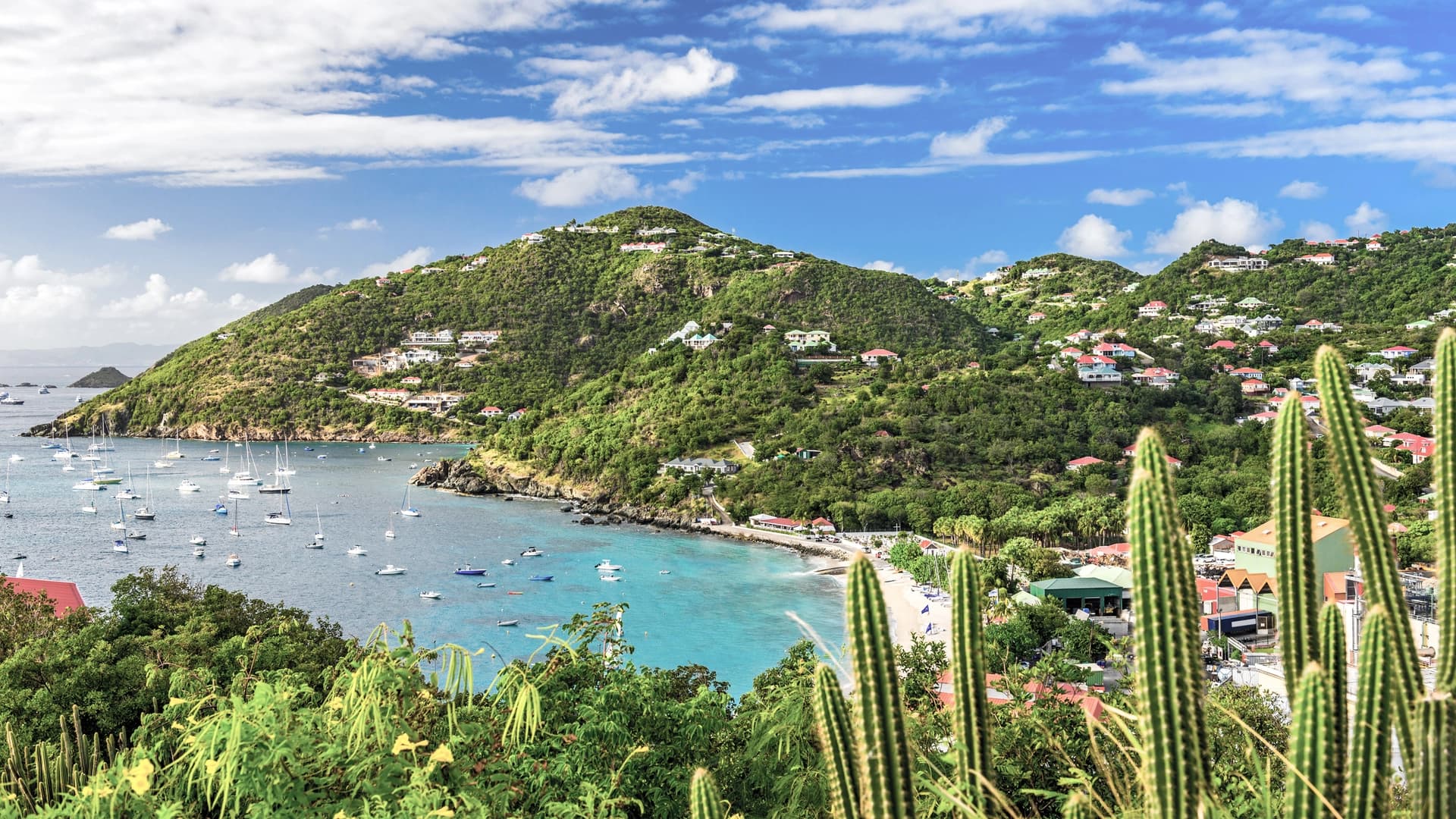
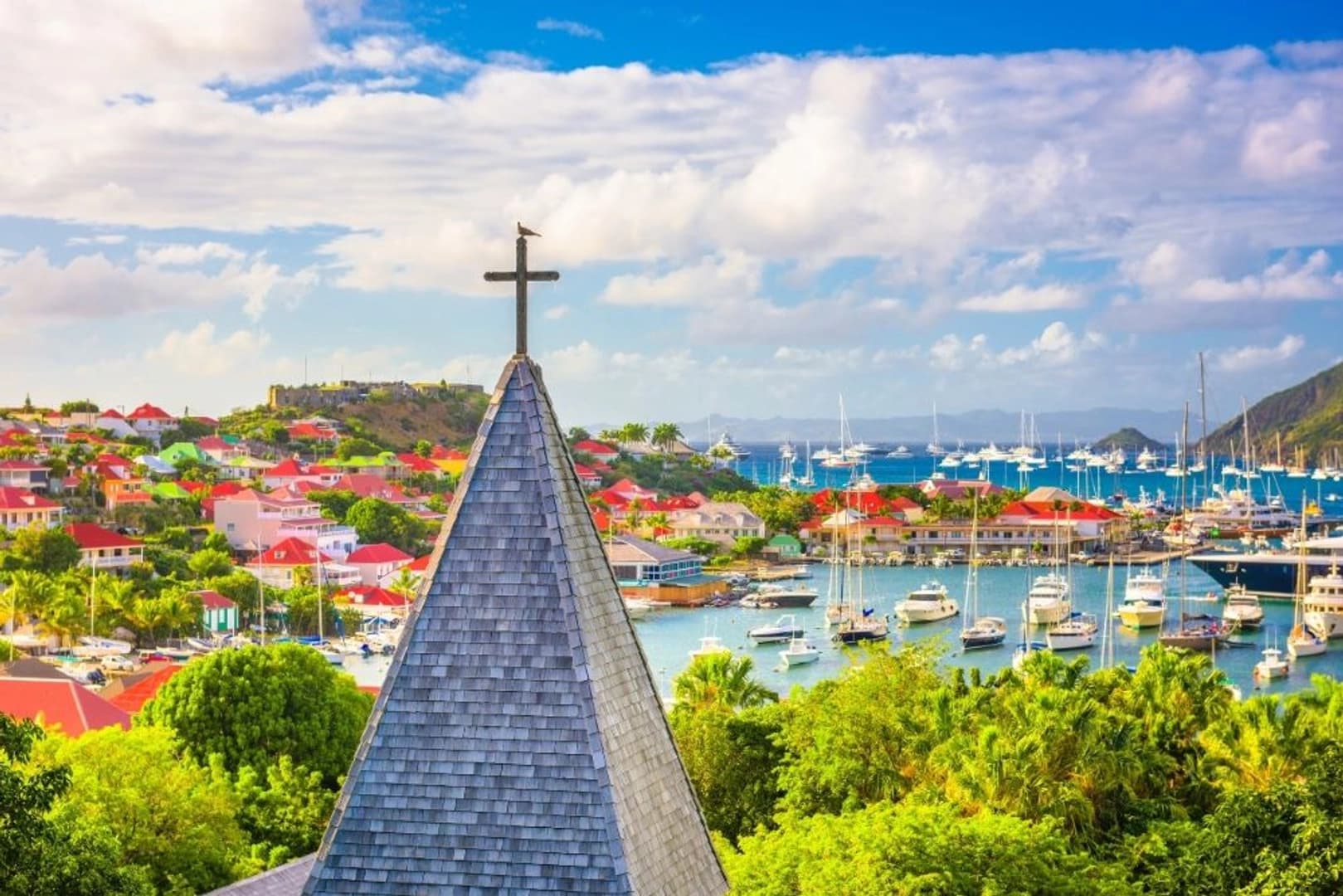
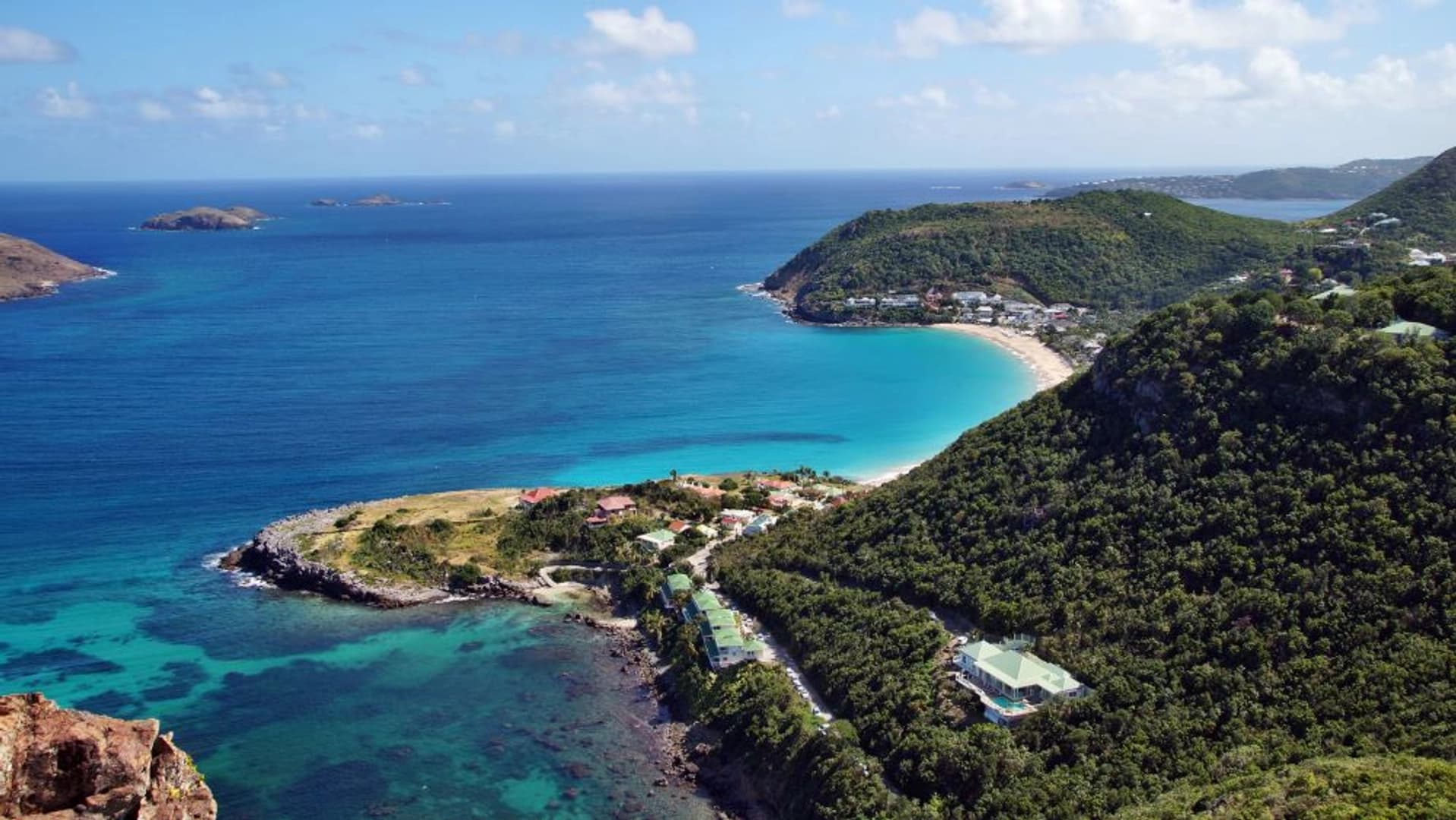
St. Barth is a small volcanic island with early Arawak and Carib traces found near saline ponds and sheltered bays. Sweden took control in 1784 and introduced a free-port regime that shaped Gustavia’s street grid and left visible fort remains. Key conservation sites are the ponds of Saint-Jean, Grand Étang and Salines, where shorebirds are monitored. Several beaches record seasonal sea-turtle nesting and coastal waters are under strict no-take rules.
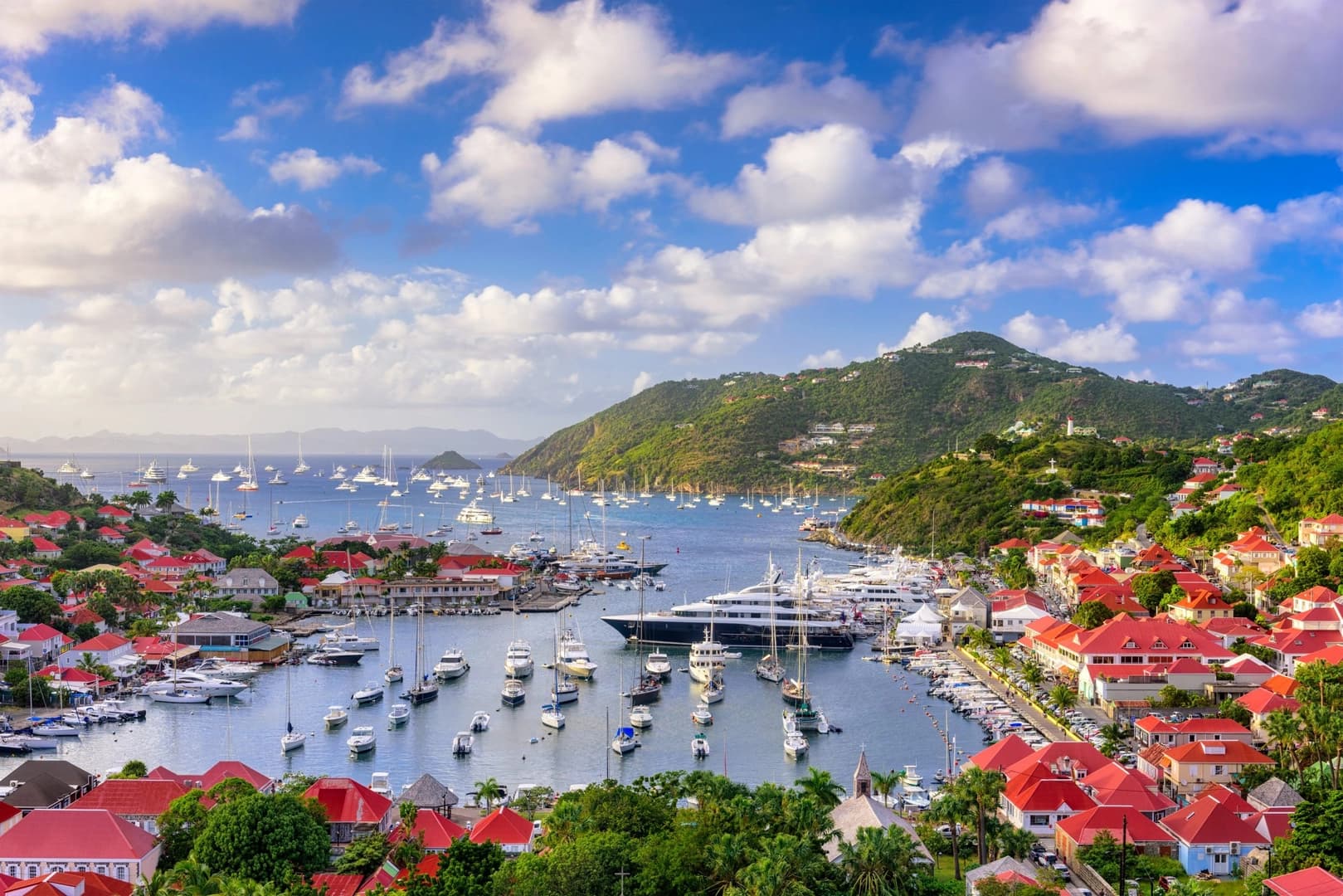
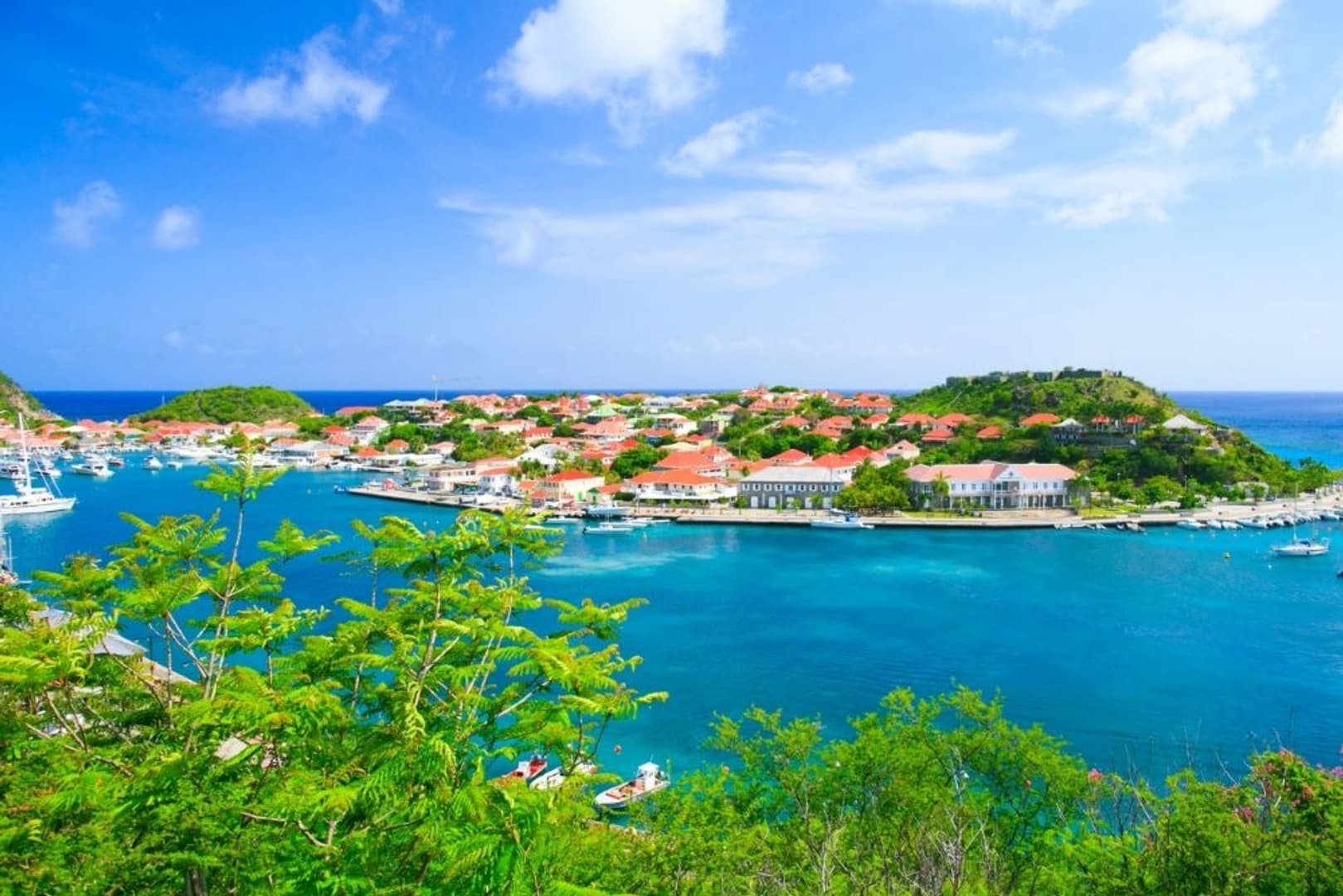
Gustavia developed as a Swedish free port after 1784, when Sweden acquired Saint-Barthélemy and established customs exemptions that turned the harbor into a regional trading stop. The street grid, stone quays and the remains of Fort Karl and Fort Gustav date from that period and still frame the basin. Archives note repeated fires in the 1850s that reshaped the town; many current buildings follow the post-fire reconstruction pattern with coral-stone bases and timber upper walls. The harbor entrance has a narrow dogleg approach, marked by the lighthouse on the outer point, and swell occasionally enters from the southwest during winter fronts.
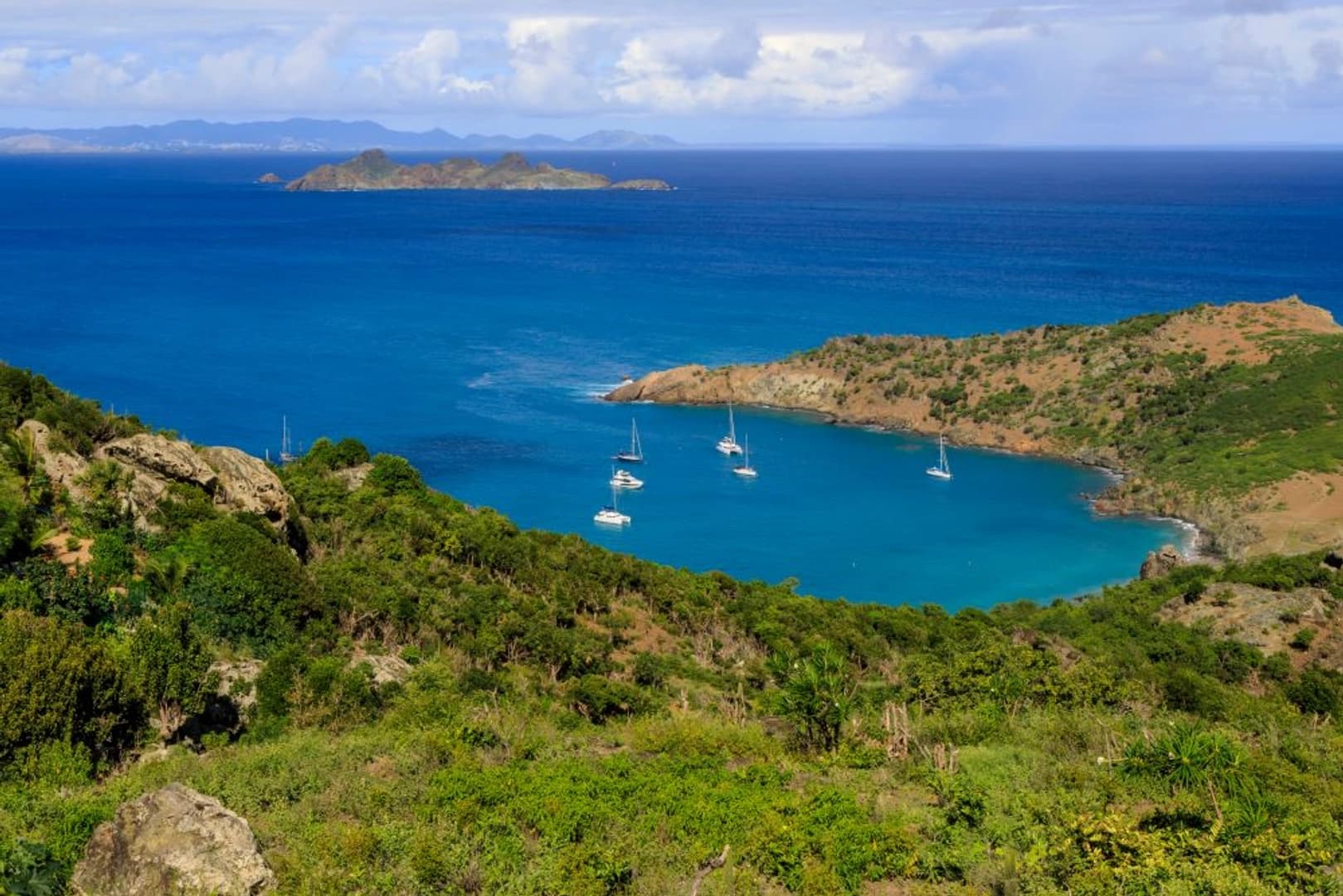
Anse de Colombier is a protected bay on the northwest coast of St. Barth, reached only by boat or a footpath from Flamands. The land above the bay was owned by the Rockefeller family in the mid 1900s, and the absence of road access preserved the natural slopes and dry scrub. The marine reserve monitors coral heads on the eastern side of the bay and maintains a no-anchoring rule; visiting boats must use the installed moorings to protect seagrass and sand patches. Green and hawksbill turtles feed here regularly and surveys record stable numbers throughout the year.
Baie Longue is the western beach of the Terres Basses peninsula on Saint-Martin. The bay is known for its limestone shelf and scattered coral heads that create shallow transitions close to shore; surveys note recurring swells from the southwest during winter fronts. The adjacent Etang Rouge wetlands hold herons and seasonal waders and are included in local conservation monitoring. Private properties line most of the ridge, but shoreline access remains public and the bay is used as a reference site for long-term beach erosion measurements.
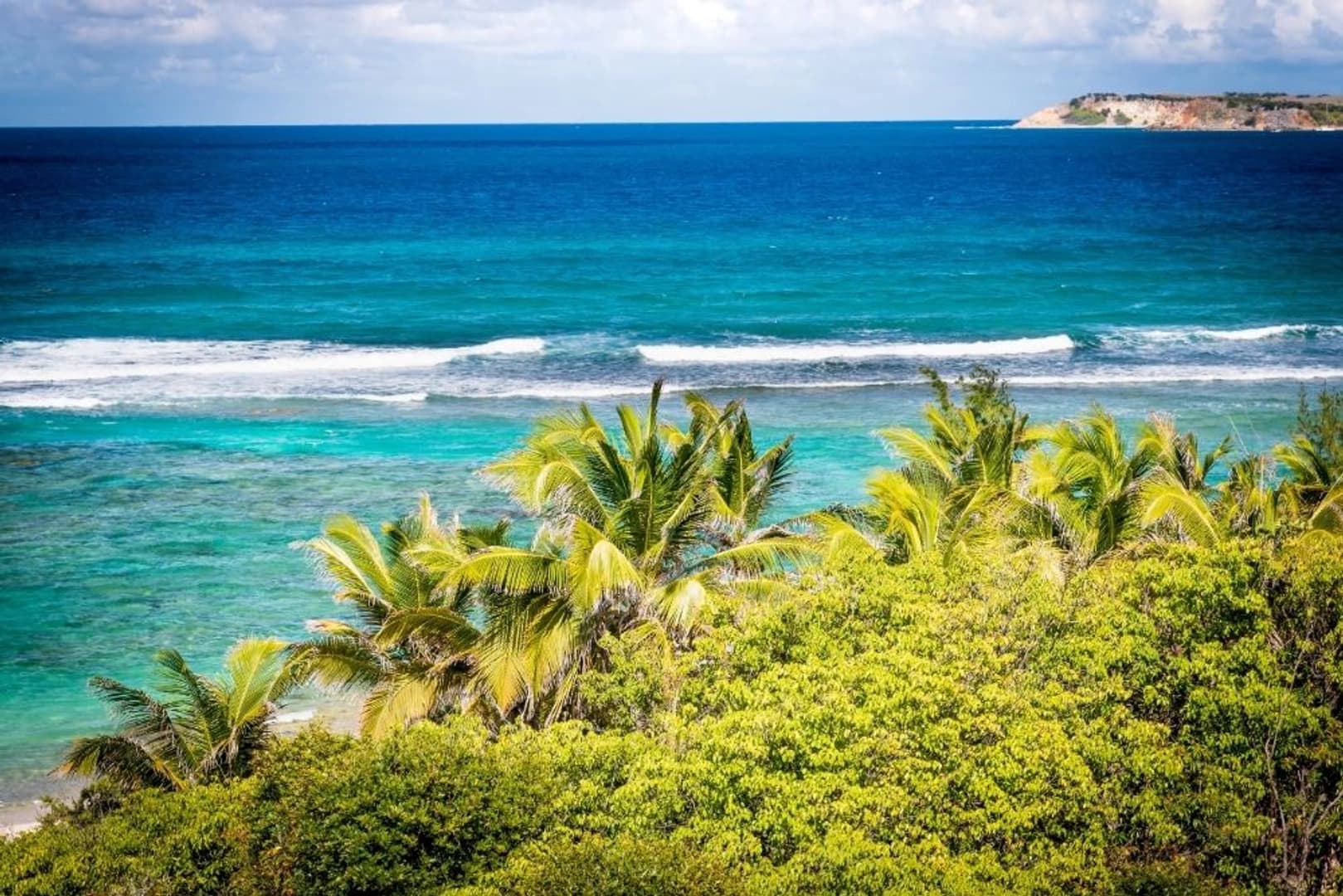
Rendez-Vous Bay is a long west coast beach on Anguilla bordered by low dunes and limestone ridges. Nearshore seagrass patches attract green turtles throughout the year, and the sandy bottom slopes steadily toward the channel between Anguilla and St. Martin. A historic coconut grove stands at the northern edge of the bay, planted in the early 1900s as part of a small coastal plantation. The area was also a traditional site for family lobster traps, a practice documented in local accounts long before modern regulations.
Anguilla is a low limestone island shaped by ancient reef formations and shallow marine terraces. Archaeological work at Island Harbour and Sandy Ground shows early Arawak presence through pottery fragments and shell tools found near former coastal settlements. On the central ridge remain stone walls and cisterns from small eighteenth century plantations that operated before the island shifted to salt harvesting and boatbuilding. The surrounding shelf holds extensive seagrass meadows where green sea turtles and hawksbill turtles feed throughout the year.
Crocus Bay sits below limestone cliffs on the north coast of Anguilla, with a narrow pocket of sand set against a steep bluff. Along the rocky points lie old mooring traces and shallow ledges once used by small island cargo boats before the main port moved to Road Bay. The bay is known for calm water in most seasons and for the short coastal path that leads to Little Bay, a sheltered cove under high cliffs. Nearshore seagrass meadows attract green sea turtles, and the surrounding cliffs hold niches where tropicbirds nest in small numbers.
Friar's Bay is a shallow, west-facing bay on the French side of Saint-Martin framed by low limestone slopes and pockets of coastal scrub. At the northern point remain traces of an old stone landing used by small island cargo boats in the mid 1900s before the modern road network was built. The bay is known for its sheltered water outside winter swell and for the short coastal path that leads to Happy Bay over a limestone rise. Nearshore seagrass beds support green sea turtles, and the southern rocks hold small resting spots for frigatebirds during calm mornings.
Rocher Créole is a small limestone outcrop off the east side of Grand Case, formed by an ancient reef spine exposed above shallow water. The rocks create narrow channels with scattered coral heads and pockets of seagrass where green sea turtles feed. Local dive logs note schools of reef fish around the outer ledges and occasional hawksbill turtles along the deeper flank. The area is part of the Saint-Martin Nature Reserve and follows no-anchoring rules, so boats use the marked moorings placed south of the rocks.
Grand Case is a historic coastal village on the north side of Saint-Martin set along a shallow bay formed by an ancient limestone terrace. Excavations at Hope Estate revealed substantial Arawak pottery and shell tools, indicating seasonal occupation along this part of the coast. In the nineteenth century small sugar and cotton plots operated inland behind the shoreline ridge, leaving cisterns and stone walls still visible today. The bay has a flat sandy bottom with scattered coral heads, and local fishers continue to launch small boats directly from the beach.
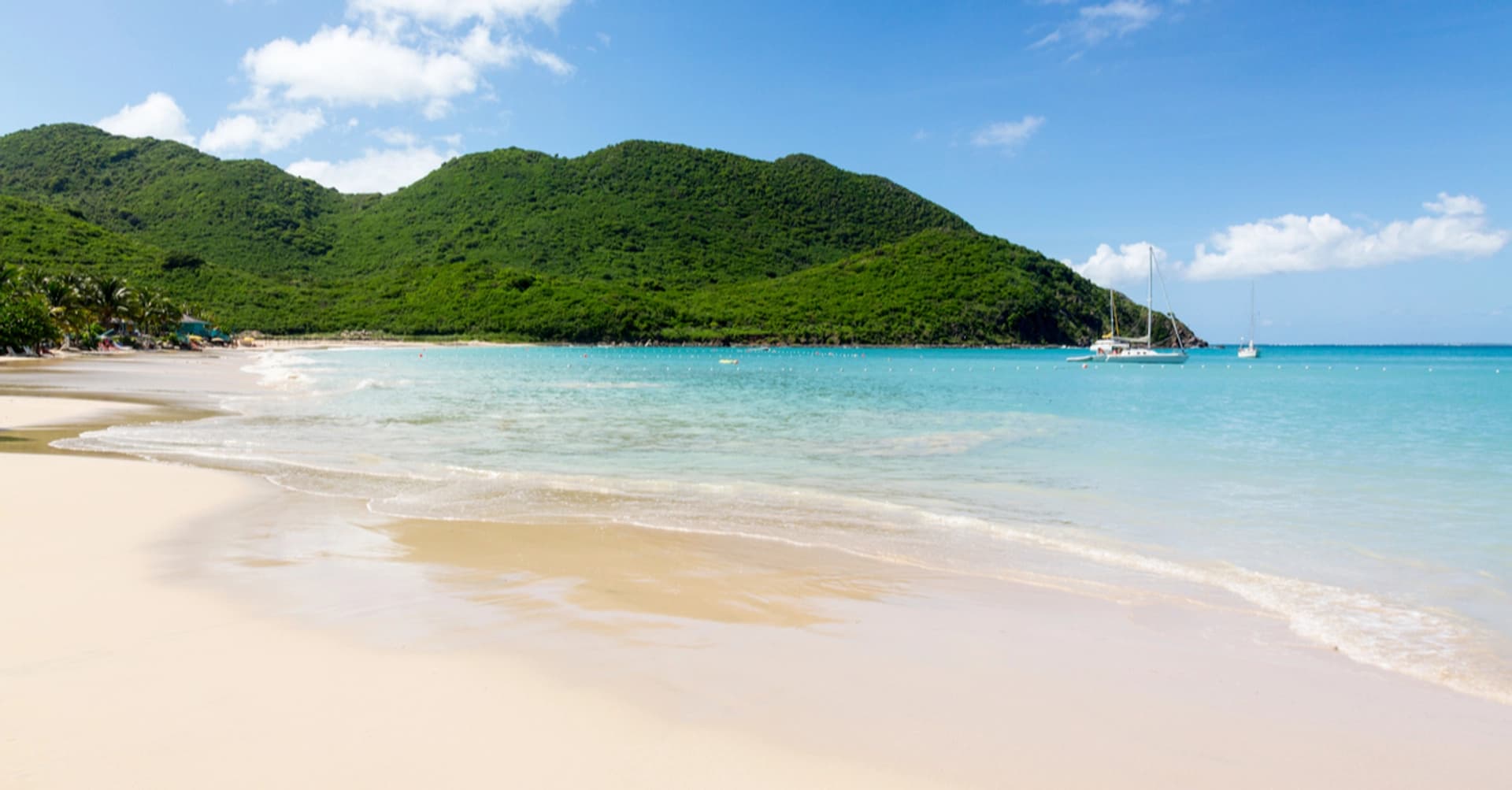
heltered cove on the north of Saint Martin with a small marina behind the beach. Water inside the bay stays smooth in normal trade-wind days, and the rocky edges toward the pass work for easy snorkeling. The cove sits between low green hills, so it feels quiet even when nearby beaches are busy.