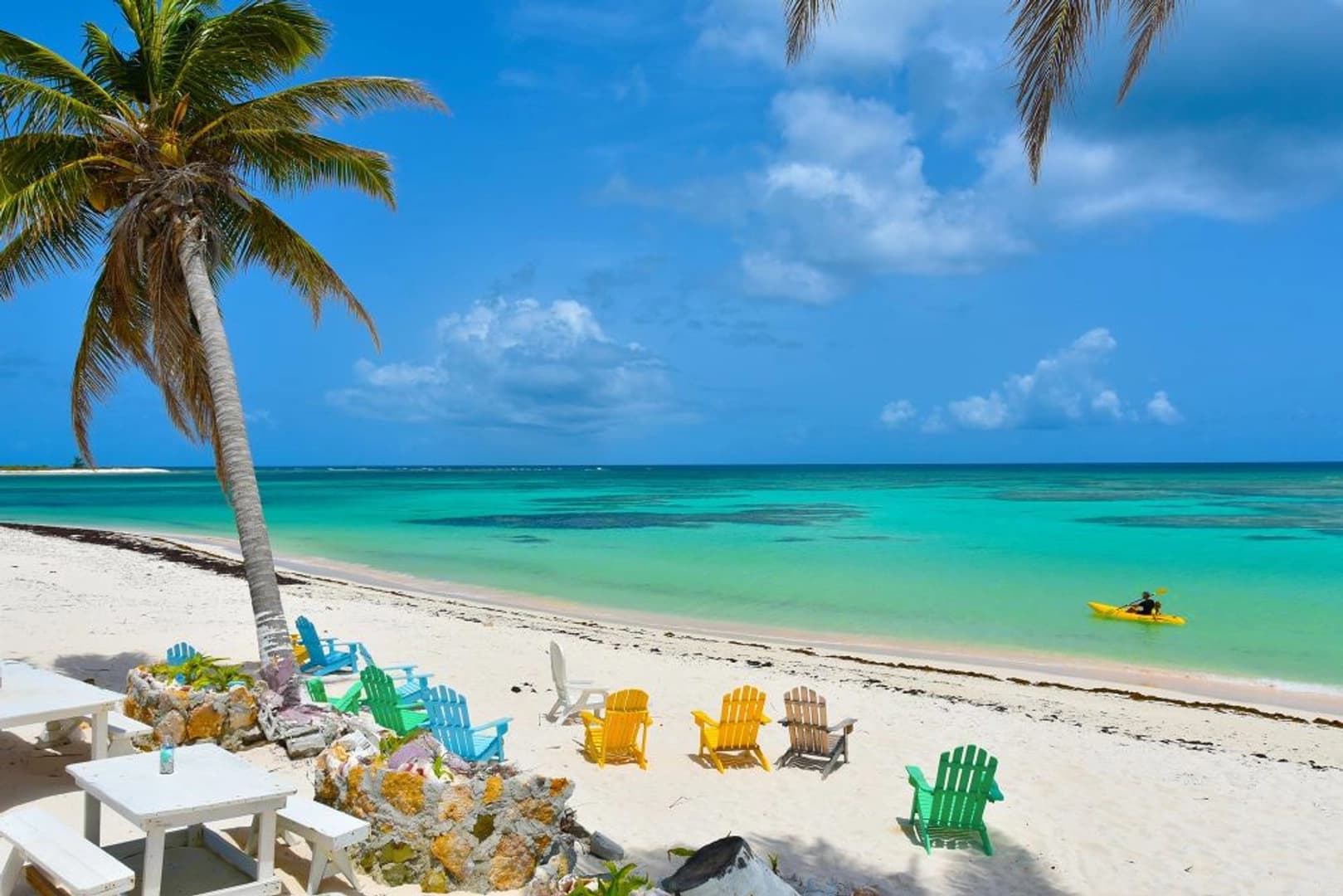
The largest and most populated island of the British Virgin Islands, serving as the administrative and maritime center of the territory. The coastline is a mix of deep bays and high green headlands, offering safe harbors such as Road Harbour, Soper’s Hole, and Trellis Bay. The island’s interior is mountainous, with Mount Sage rising to 543 m and covered by tropical forest. Tortola is home to the capital, Road Town, where most charter companies, marinas, and yacht services are based.
A protected marina on the southeast coast of Tortola, British Virgin Islands, facing the Sir Francis Drake Channel. The basin is surrounded by mangroves and breakwaters, giving complete shelter from swell and wind. It serves as one of the main charter bases in the BVI, offering berths for sail and power yachts up to 20 m, with fuel dock, maintenance facilities, and direct channel access for easy departure to Virgin Gorda or Cooper Island.
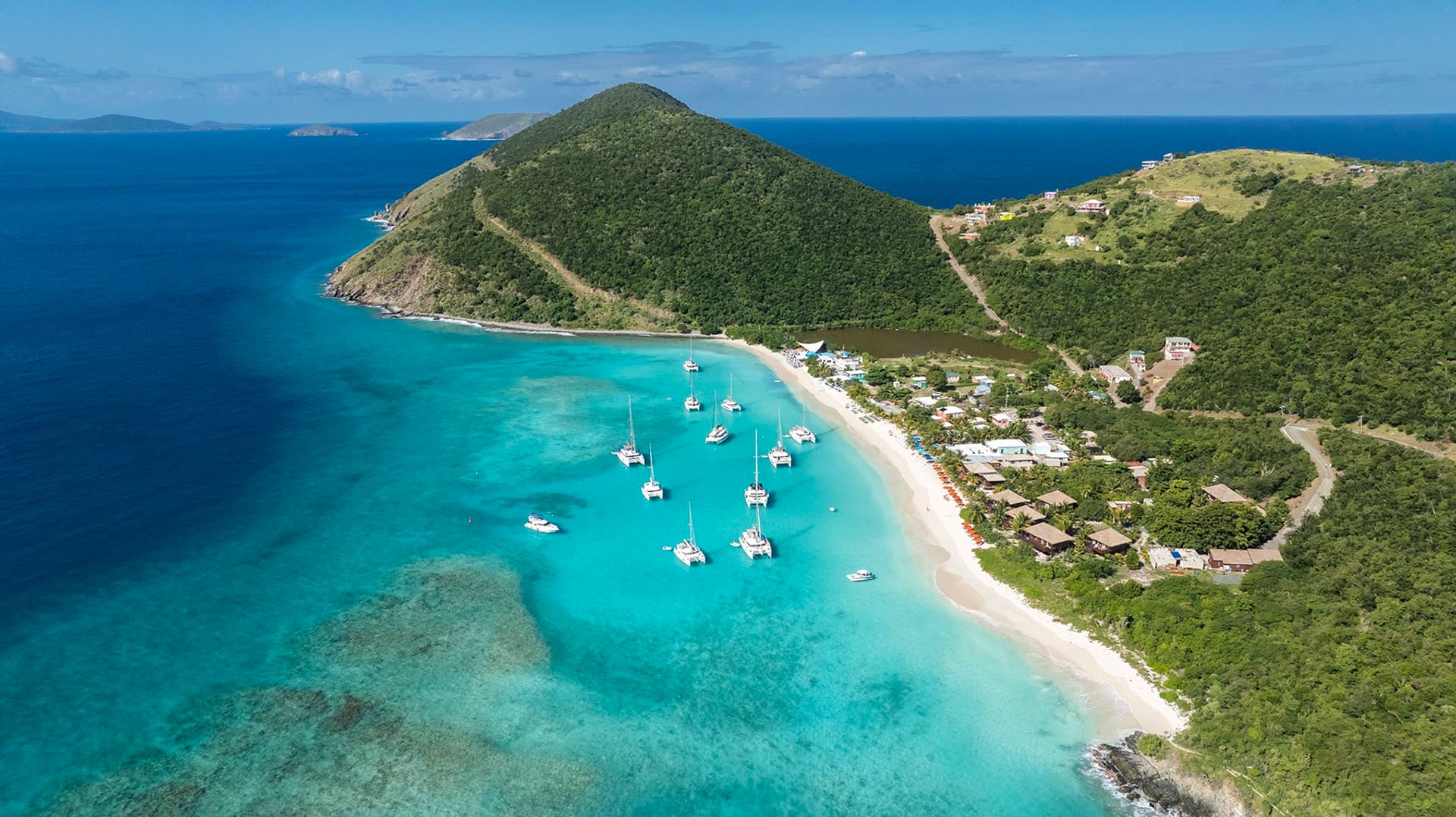
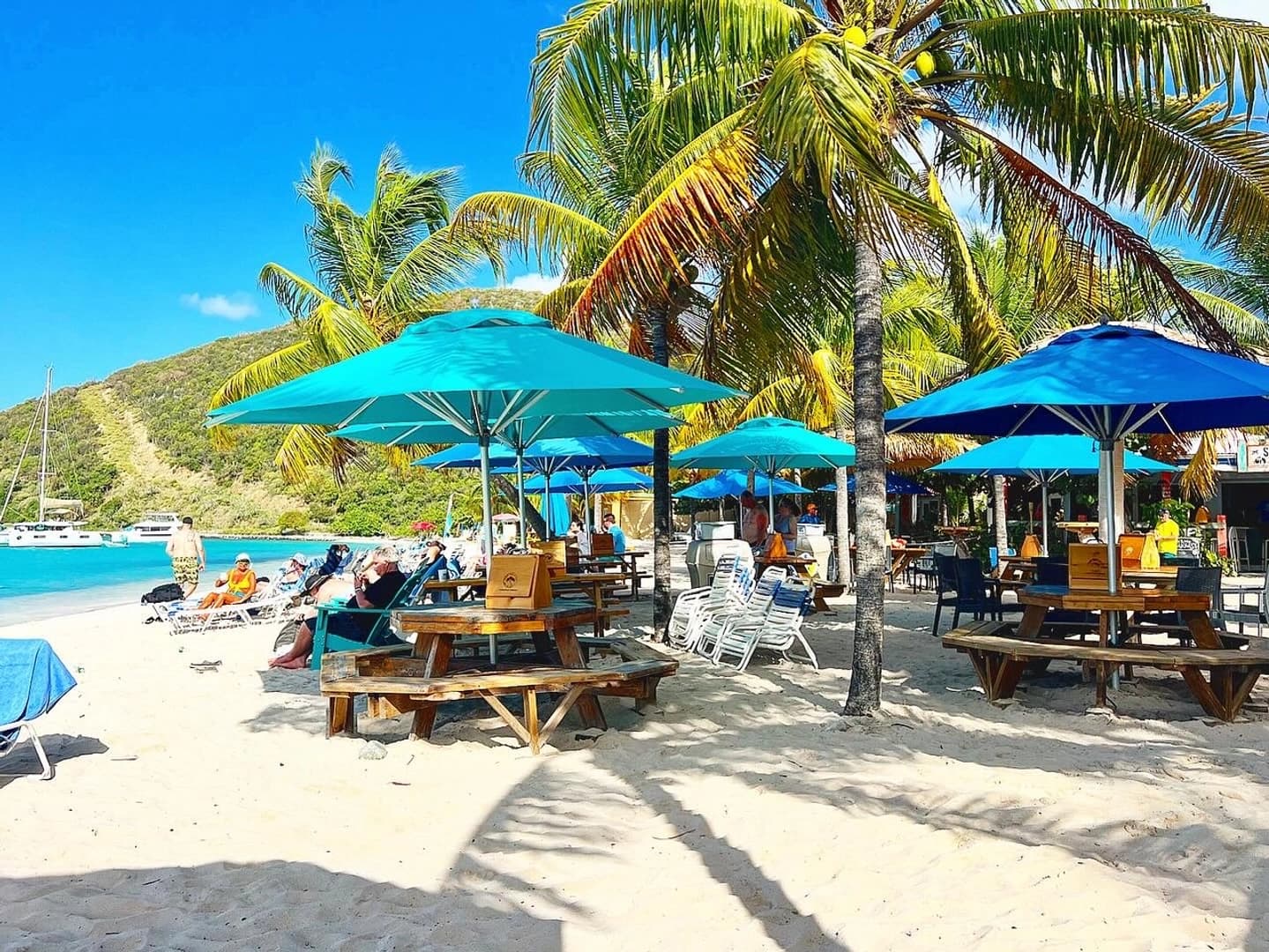
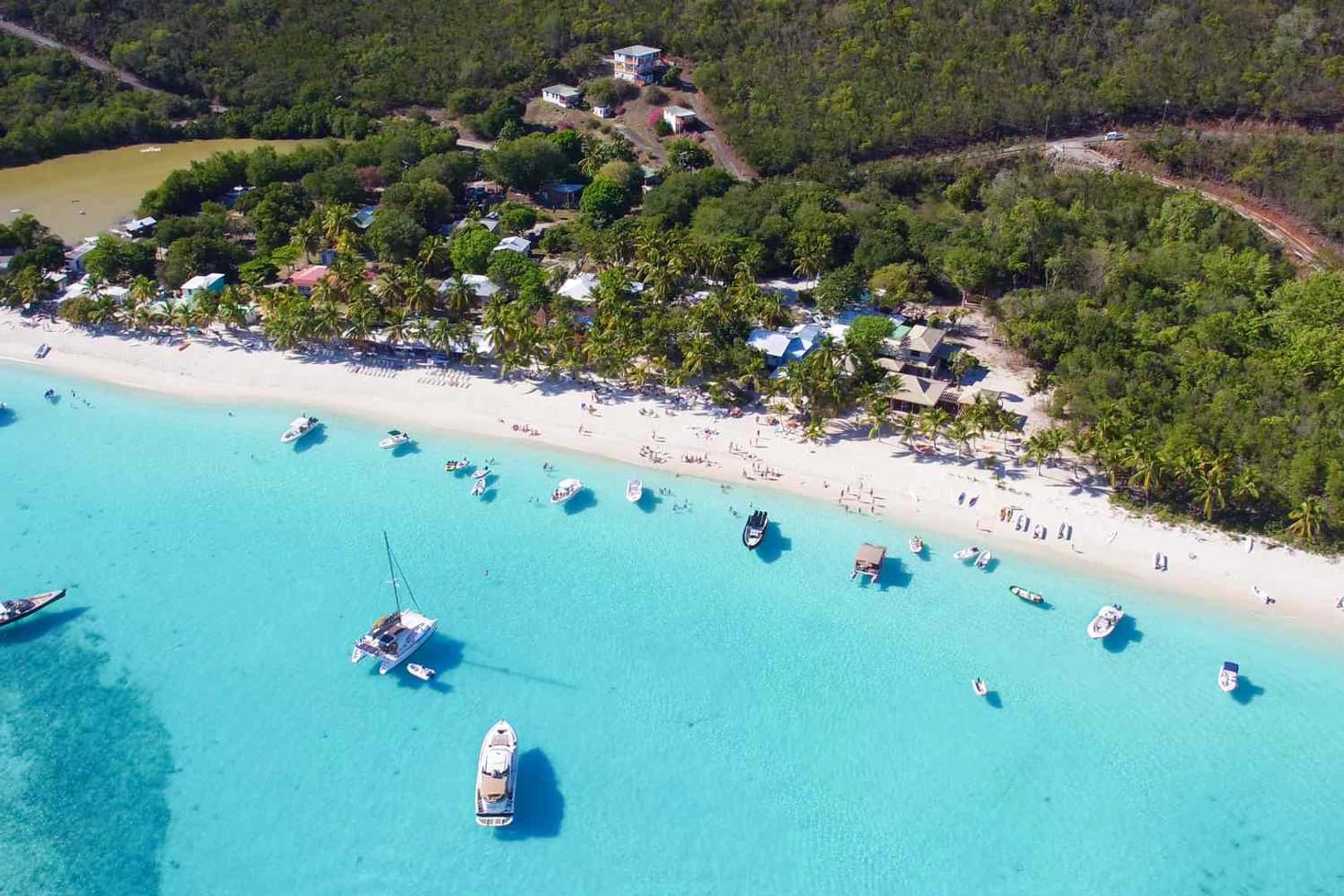
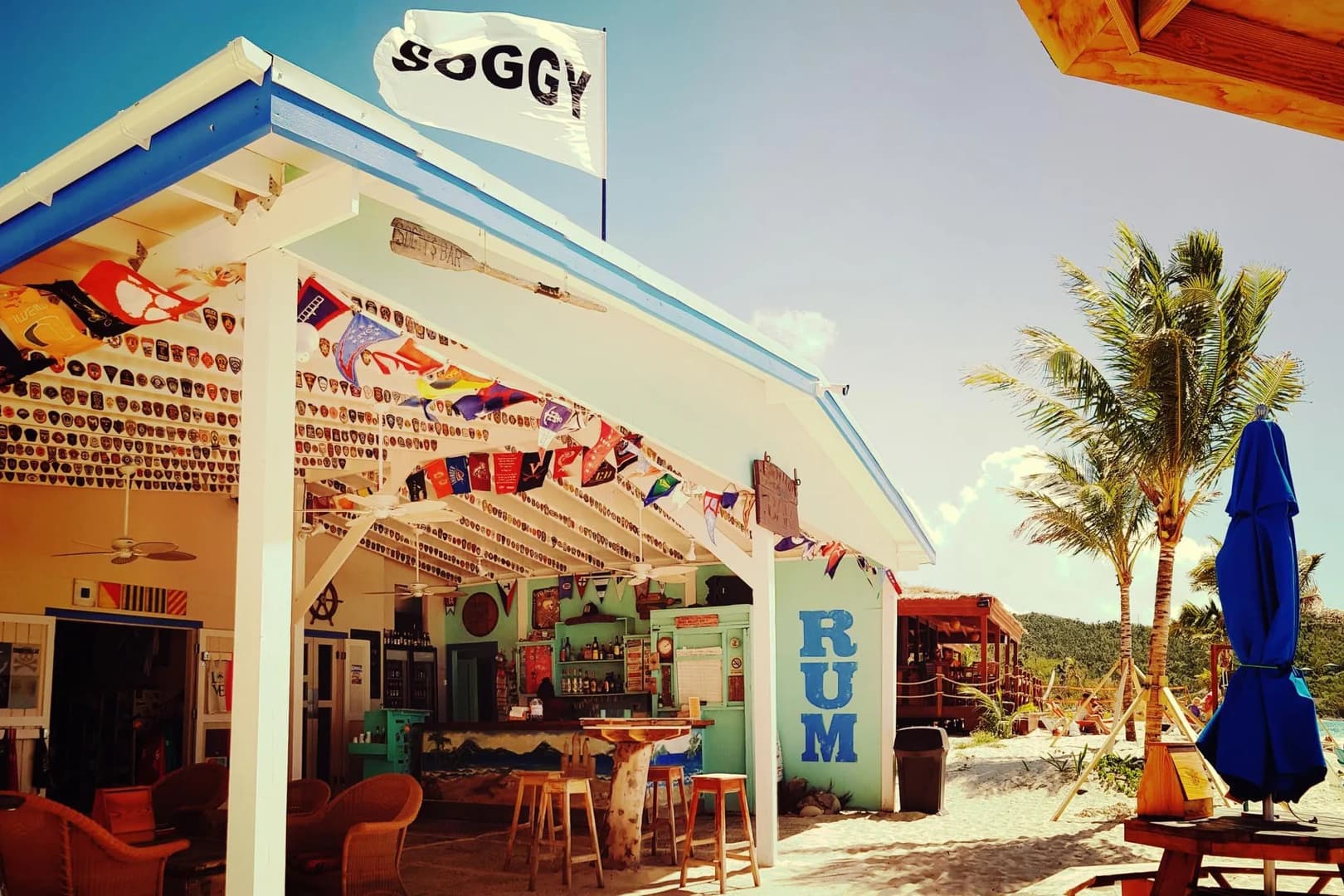
A shallow crescent-shaped bay on the southern side of Jost Van Dyke, surrounded by white sand and calm turquoise water. The anchorage lies just outside the reef, with good holding on sandy bottom and clear visibility in settled weather. White Bay is one of the most visited mooring spots in the BVI, known for its easy swim ashore and relaxed beach bars lining the shore, including the well-known Soggy Dollar Bar where the Painkiller cocktail was created.
A tiny uninhabited island east of Jost Van Dyke, surrounded by shallow turquoise water and a narrow ring of white sand. The island is covered with palms and sea grape trees, with a short trail crossing from one side to the other. Anchorage is possible off the western shore in calm weather, on sandy bottom with clear visibility. Sandy Cay was once owned by Laurance Rockefeller, who donated it to the BVI National Parks Trust to ensure its protection and natural preservation.
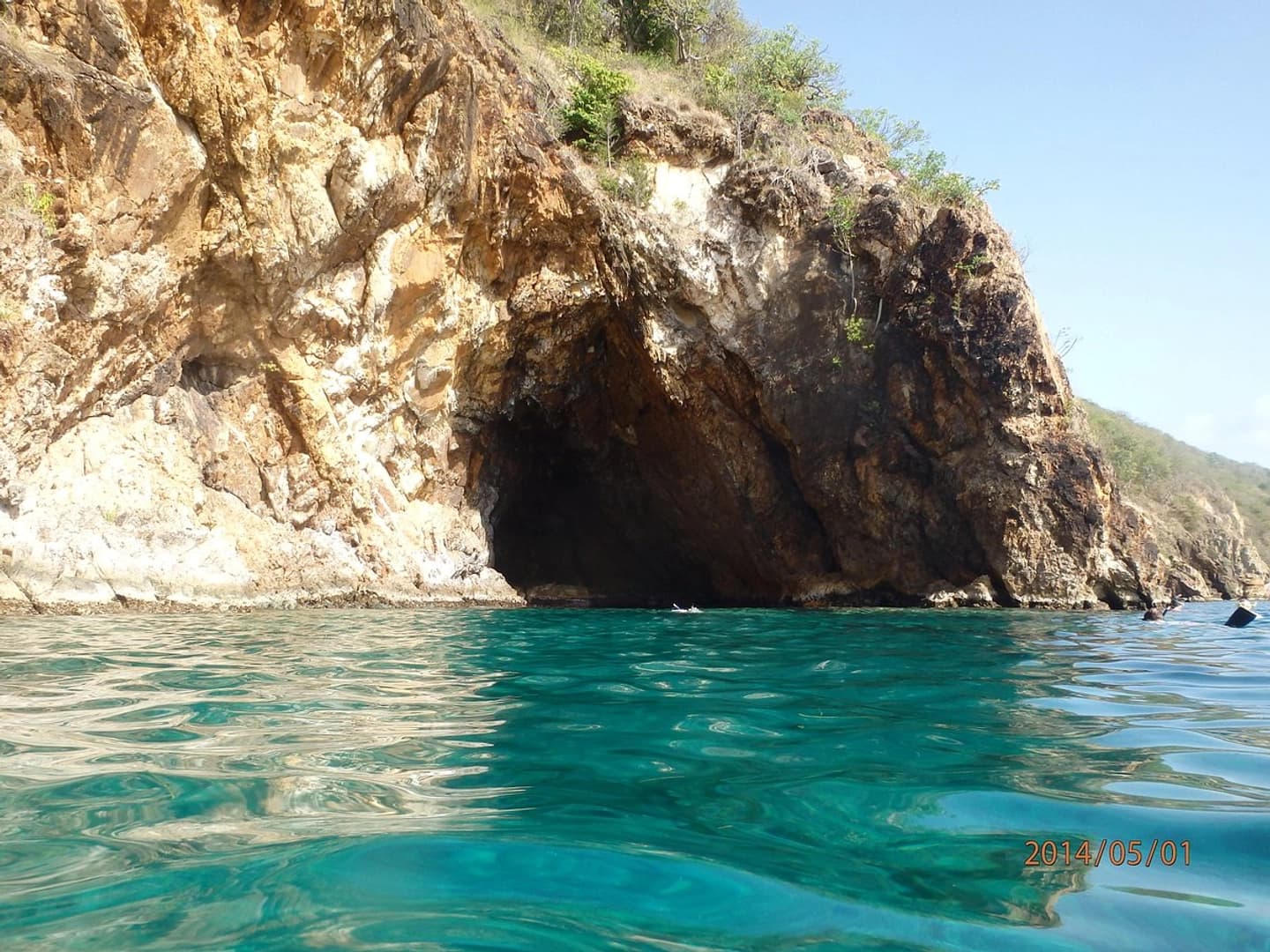
A hilly island at the southern tip of the British Virgin Islands, often associated with pirate legends and said to have inspired Robert Louis Stevenson’s Treasure Island. The coastline offers several well-protected anchorages, including The Bight, one of the safest harbors in the BVI with sandy bottom and full shelter from swell. Along the cliffs at Treasure Point lie shallow caves popular for snorkeling, and the surrounding reefs hold clear turquoise water teeming with fish.
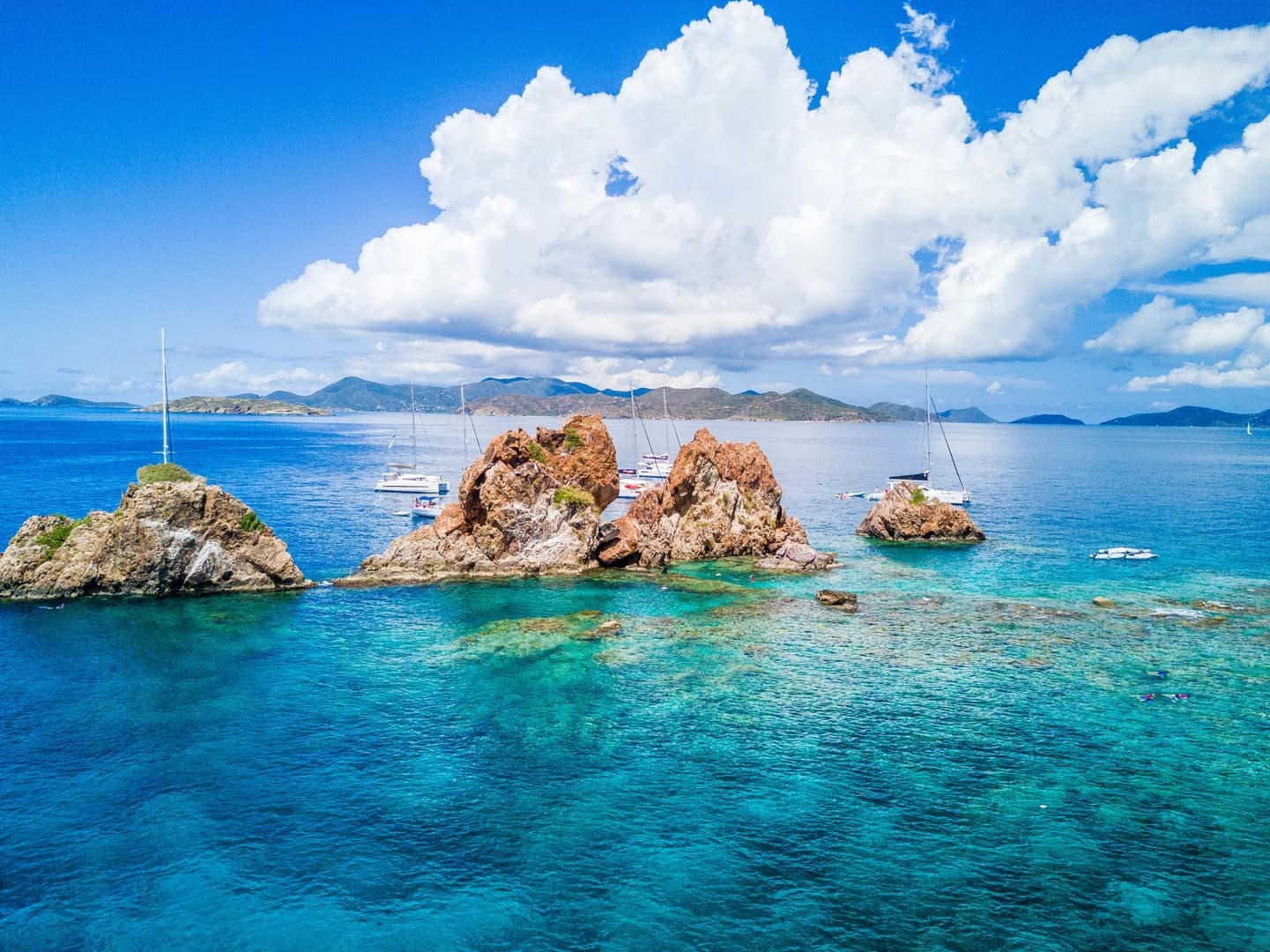
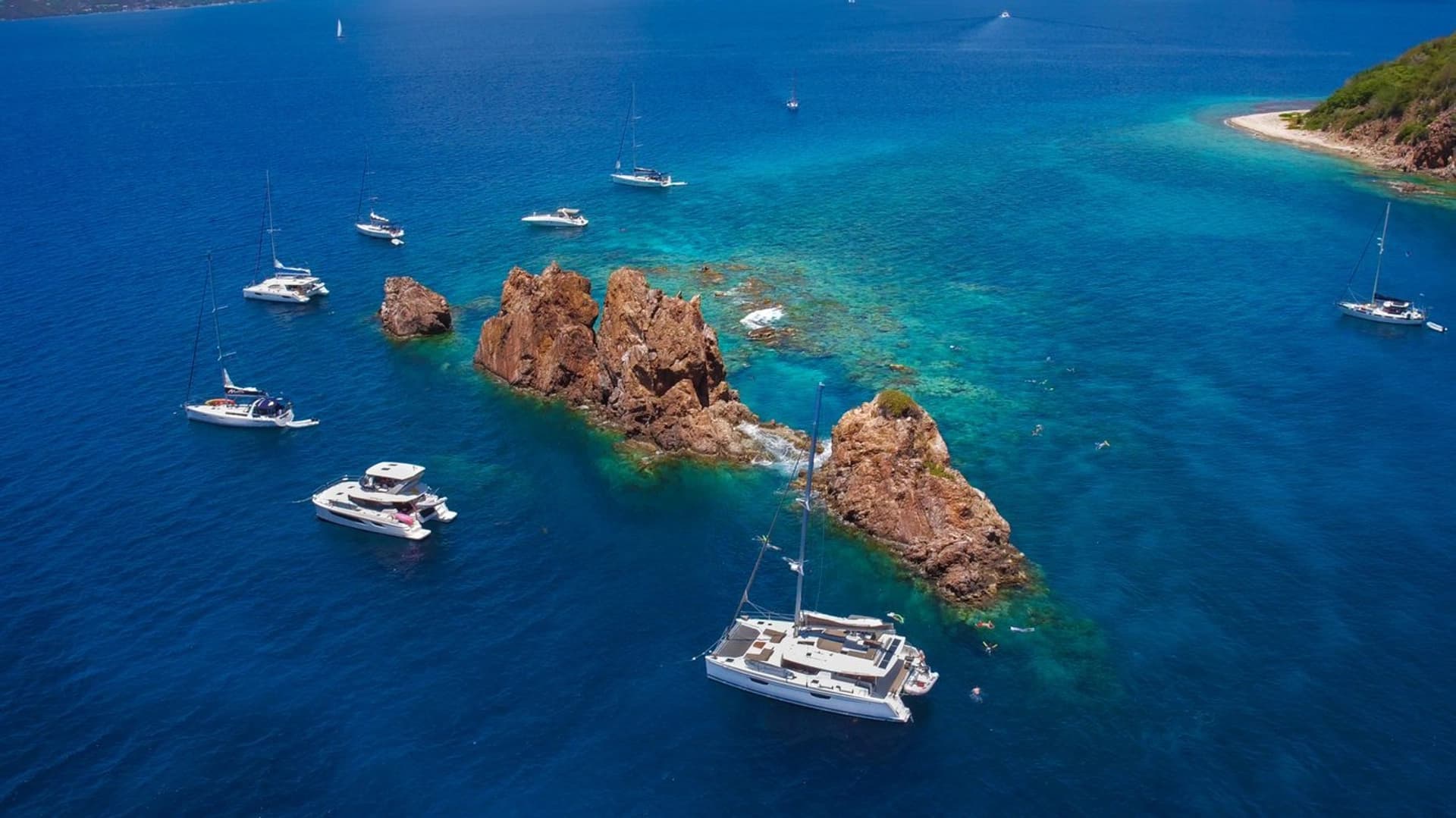
A shallow sea-cave system near the western shore of Norman Island, with semi-enclosed anchorages on sandy bottom and vertical granite walls above the waterline. The caves lie under overhanging cliffs and open into clear turquoise water, offering exceptional snorkel visibility and a compact dramatic environment. Numerous historic accounts associate the area with 18th-century pirate treasure buried in the island’s rocks.
A quiet anchorage on the northeast side of Norman Island, facing the Sir Francis Drake Channel. The bay is deep and well-sheltered, with holding on sand and patches of grass in 5-10 m depth. Its high surrounding hills protect from the prevailing winds, making it one of the calmest overnight anchorages in the area. The water is clear and often visited by sea turtles and rays at dusk.
A large private island southwest of Tortola, forming part of the central British Virgin Islands. The coastline alternates between deep bays and steep headlands, offering several well-protected anchorages such as Great Harbour, Little Harbour, and Deadman’s Bay. The island’s interior is hilly and mostly undeveloped, covered by tropical vegetation and overlooking the Sir Francis Drake Channel. Peter Island is known for its calm waters, scenic anchorages, and the historic Peter Island Resort, one of the earliest luxury retreats in the BVI.
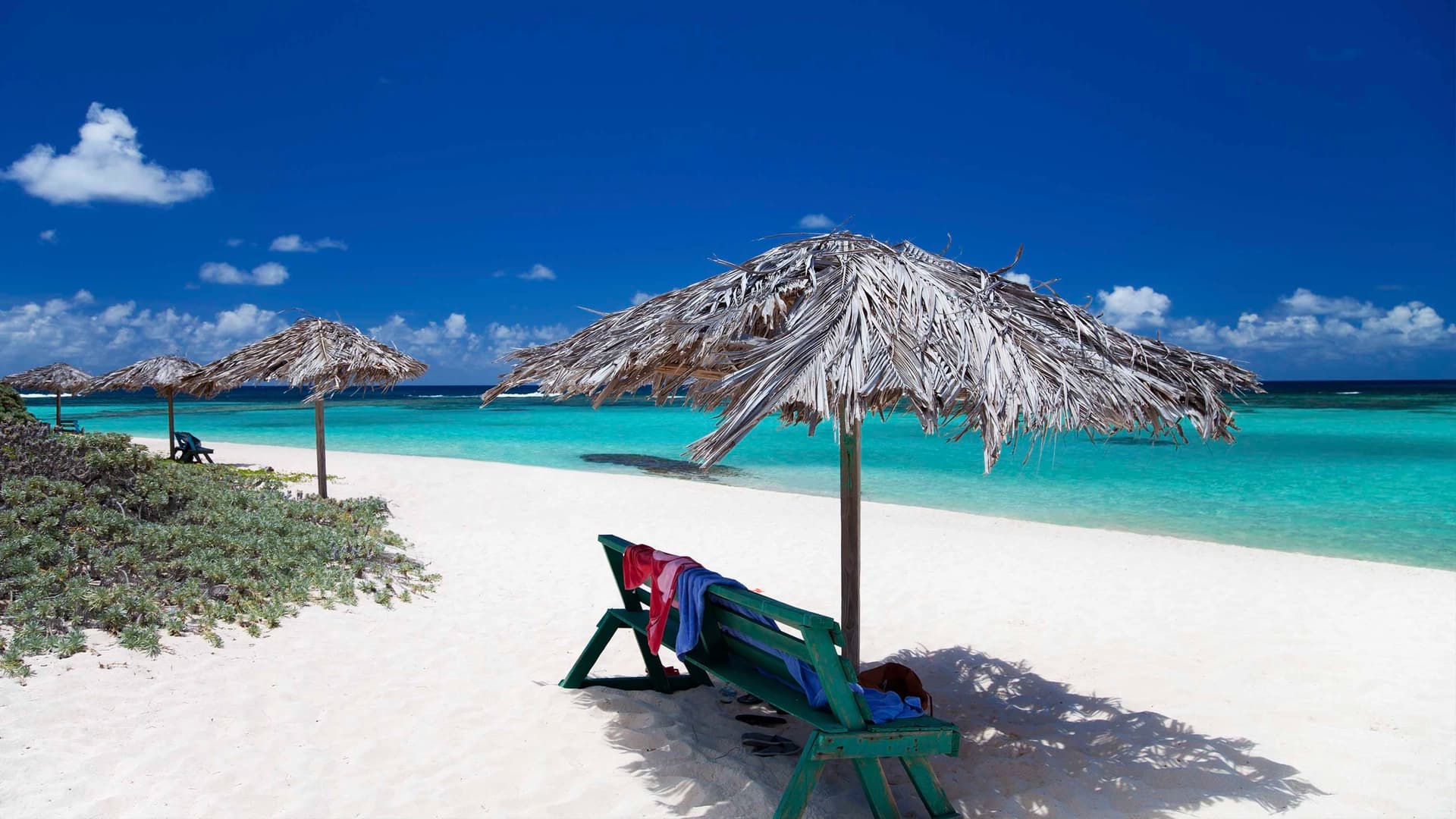
A crescent-shaped bay on the northern coast of Peter Island, opening to the Sir Francis Drake Channel. The bay is known for its long white sand beach and calm turquoise water protected by a reef, making it one of the most picturesque anchorages in the BVI. Depths are moderate with good holding on sand, suitable for day anchorage in settled conditions. Local lore says the name “Deadman’s Bay” comes from the bodies of marooned sailors who once washed ashore here after a shipwreck.
A deep and well-protected bay on the northwest side of Peter Island, facing Tortola across the Sir Francis Drake Channel. The anchorage offers excellent shelter in most conditions, with good holding on sandy bottom and depths between 5 and 15 meters. Surrounded by high green hills, the bay remains calm and quiet even in strong trade winds. It’s one of the safest overnight anchorages in the BVI and a convenient stop before crossing toward Norman or Salt Island.
A small island southeast of Tortola, facing the Sir Francis Drake Channel, known for its calm anchorages and coral reefs. The main anchorage lies off Manchioneel Bay, where depths range from 5 to 10 m with good holding on sand and patches of grass. The bay offers mooring buoys, clear water for snorkeling, and a relaxed atmosphere with views toward Salt Island. Cooper Island is part of the BVI National Parks system and is a common stop for yachts sailing between Virgin Gorda and Norman Island.
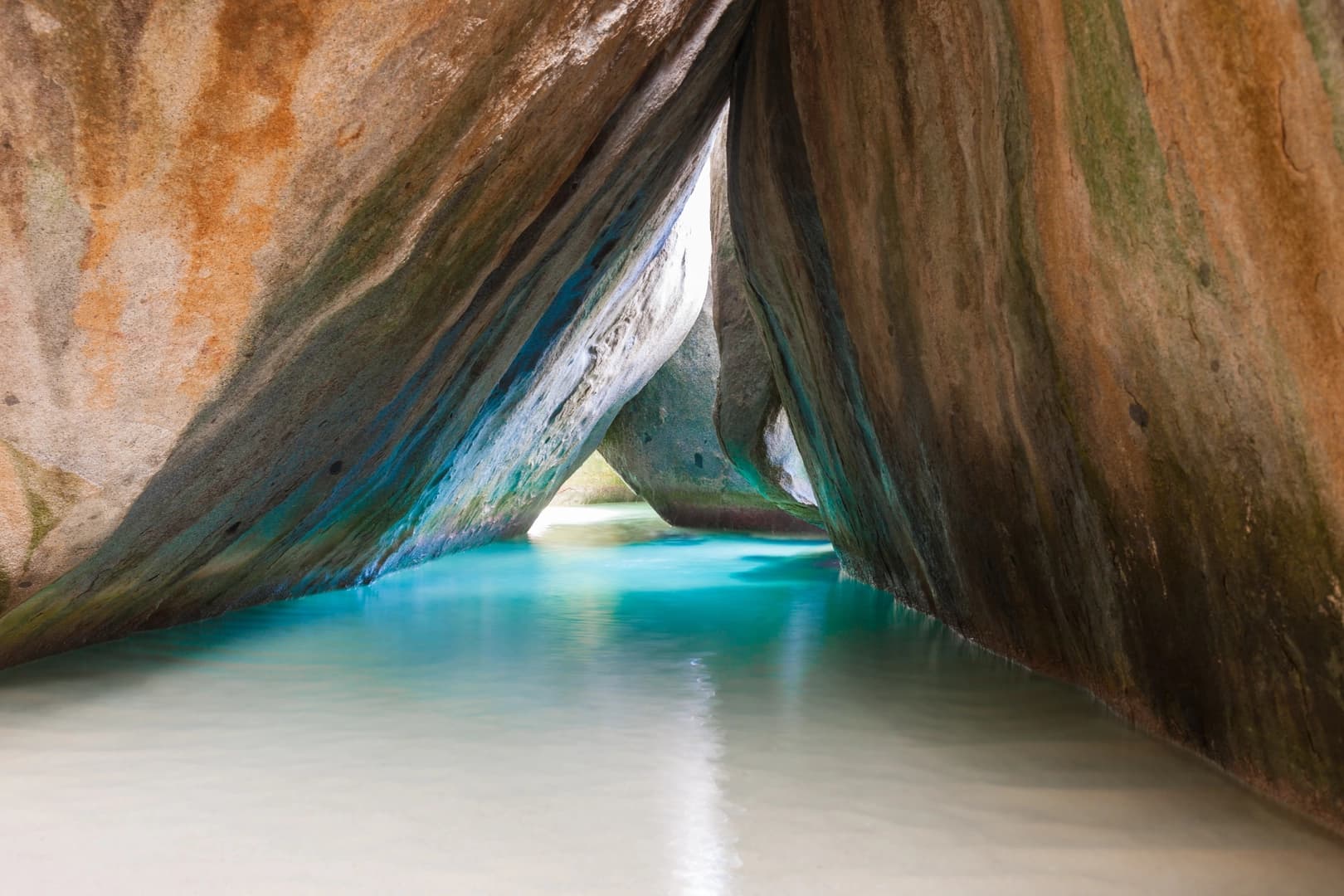
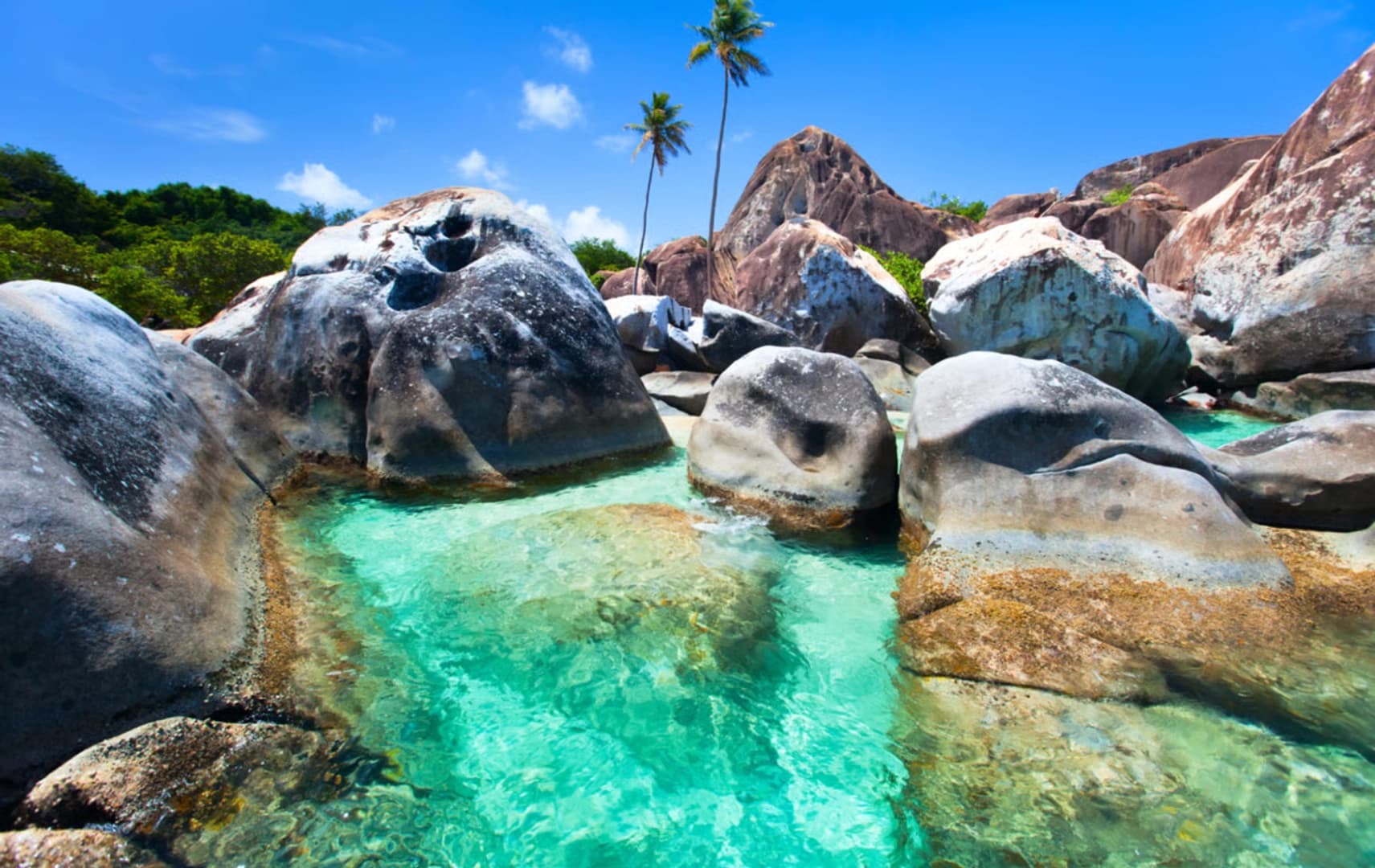
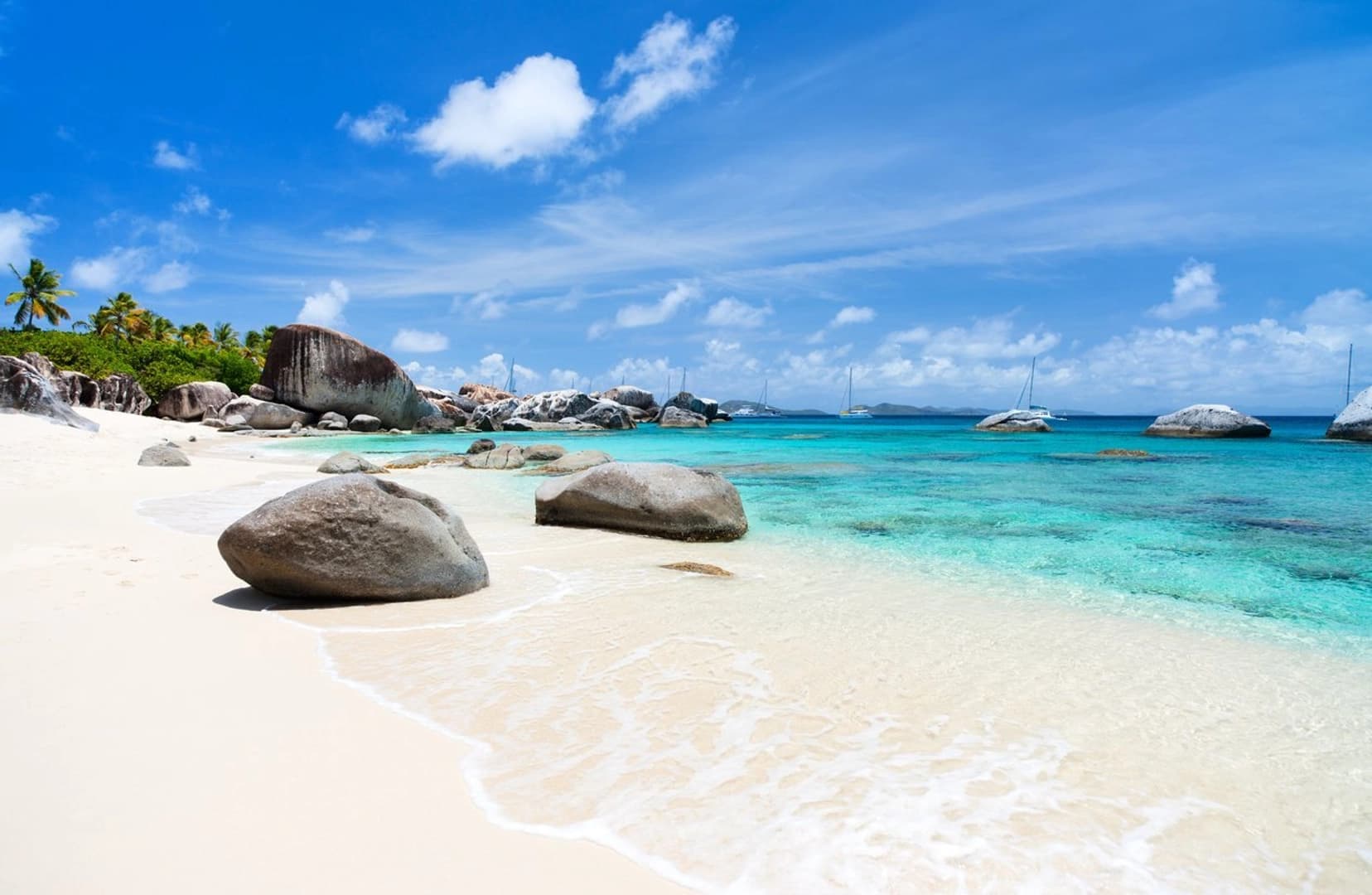
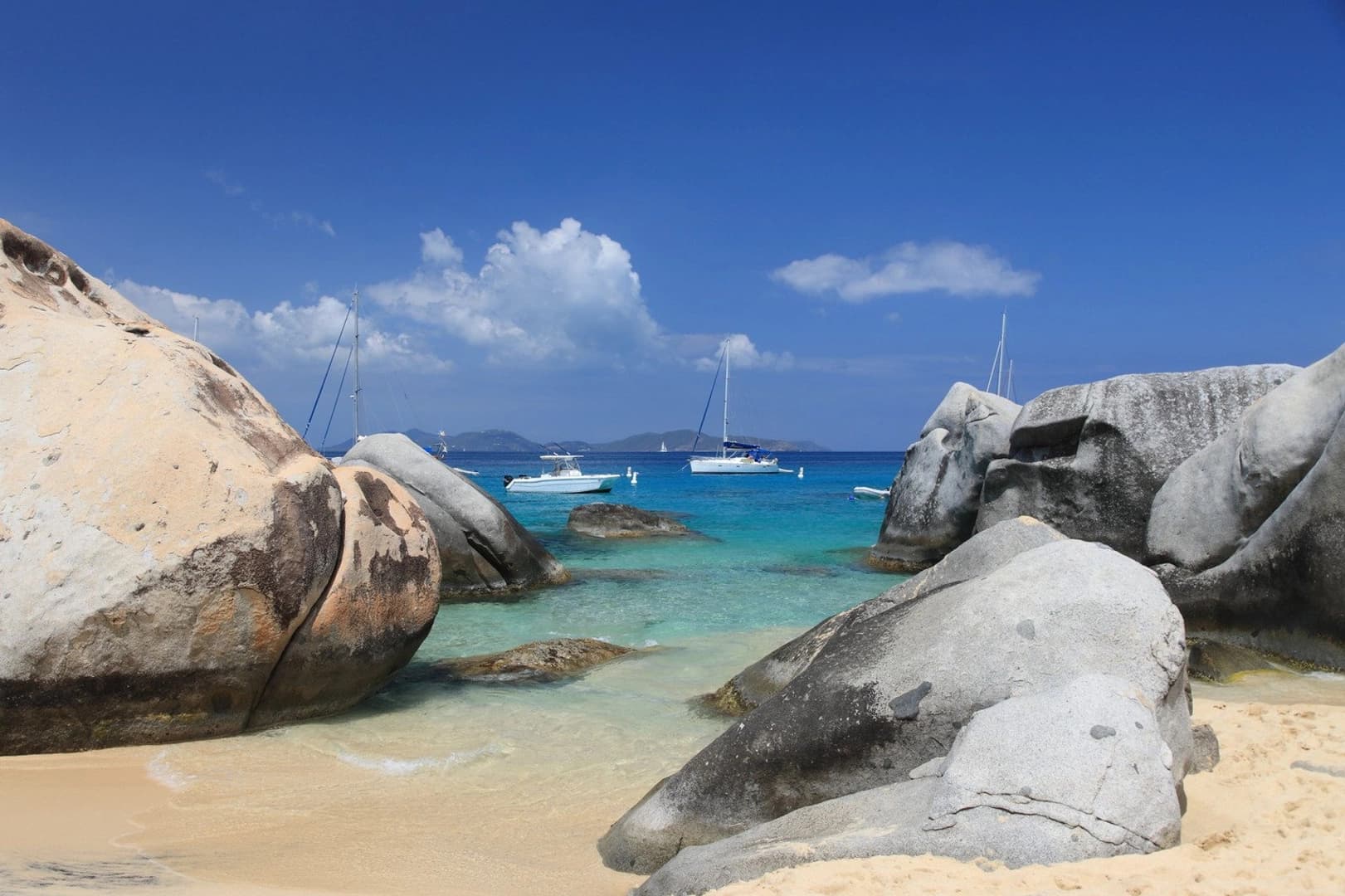
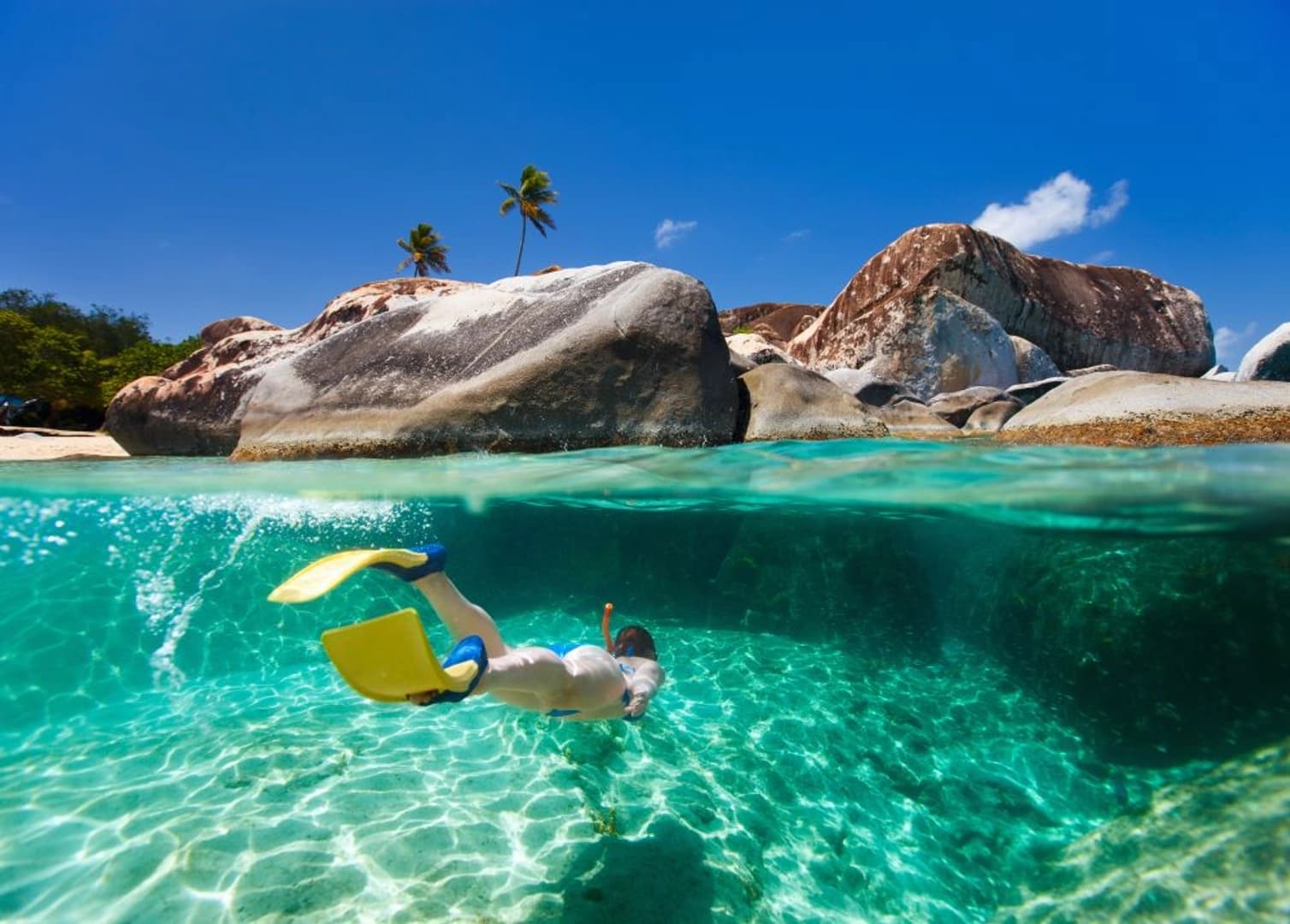
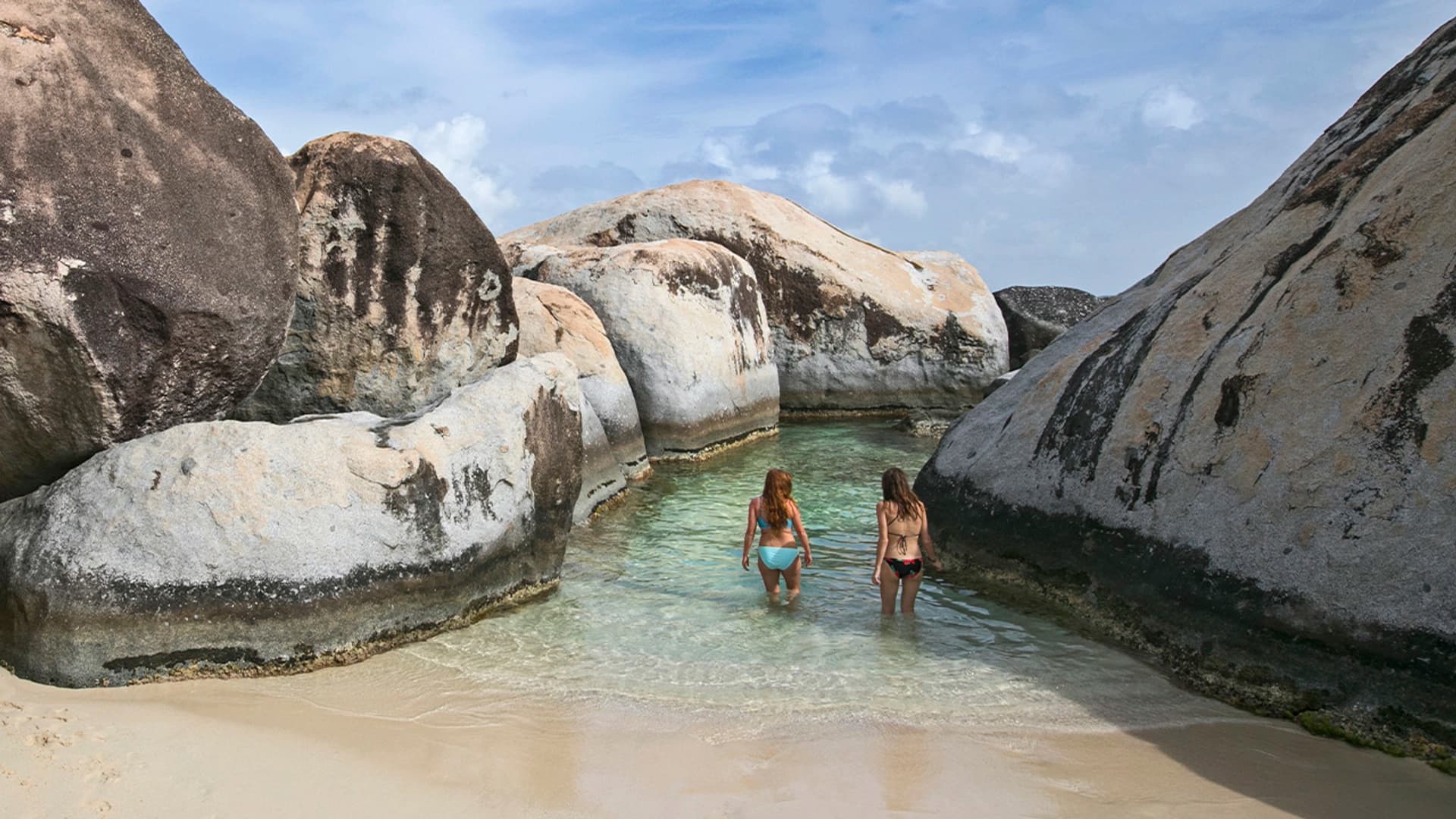
A dramatic shoreline at the southwestern tip of Virgin Gorda in the British Virgin Islands, composed of huge round granite boulders, white sand beaches and secret tidal pools. The bay offers shallow water and sandy bottom in sheltered areas — suitable for daytime anchorage in settled weather with strong visual character. The rock maze is unique, with granite blocks up to 12 m in diameter creating grottos and walk-through passages for snorkelers and swimmers
A small bay adjoining The Baths on the southwestern tip of Virgin Gorda, enclosed by towering granite boulders and soft white sand. Access is possible by dinghy in calm weather or via the marked trail through The Baths. The bay offers shallow clear water, excellent for snorkeling among the rocks and coral heads, and is part of the protected Devil’s Bay National Park managed by the BVI National Parks Trust.
A low-lying island on the northern edge of North Sound, Virgin Gorda, forming part of the Prickly Pear National Park. The coastline is lined with white sand beaches and shallow turquoise water protected by outer reefs, ideal for daytime anchorage in calm weather. The western shore faces Leverick Bay and features mooring buoys, while the interior remains wild with salt ponds, cacti, and seabird colonies.
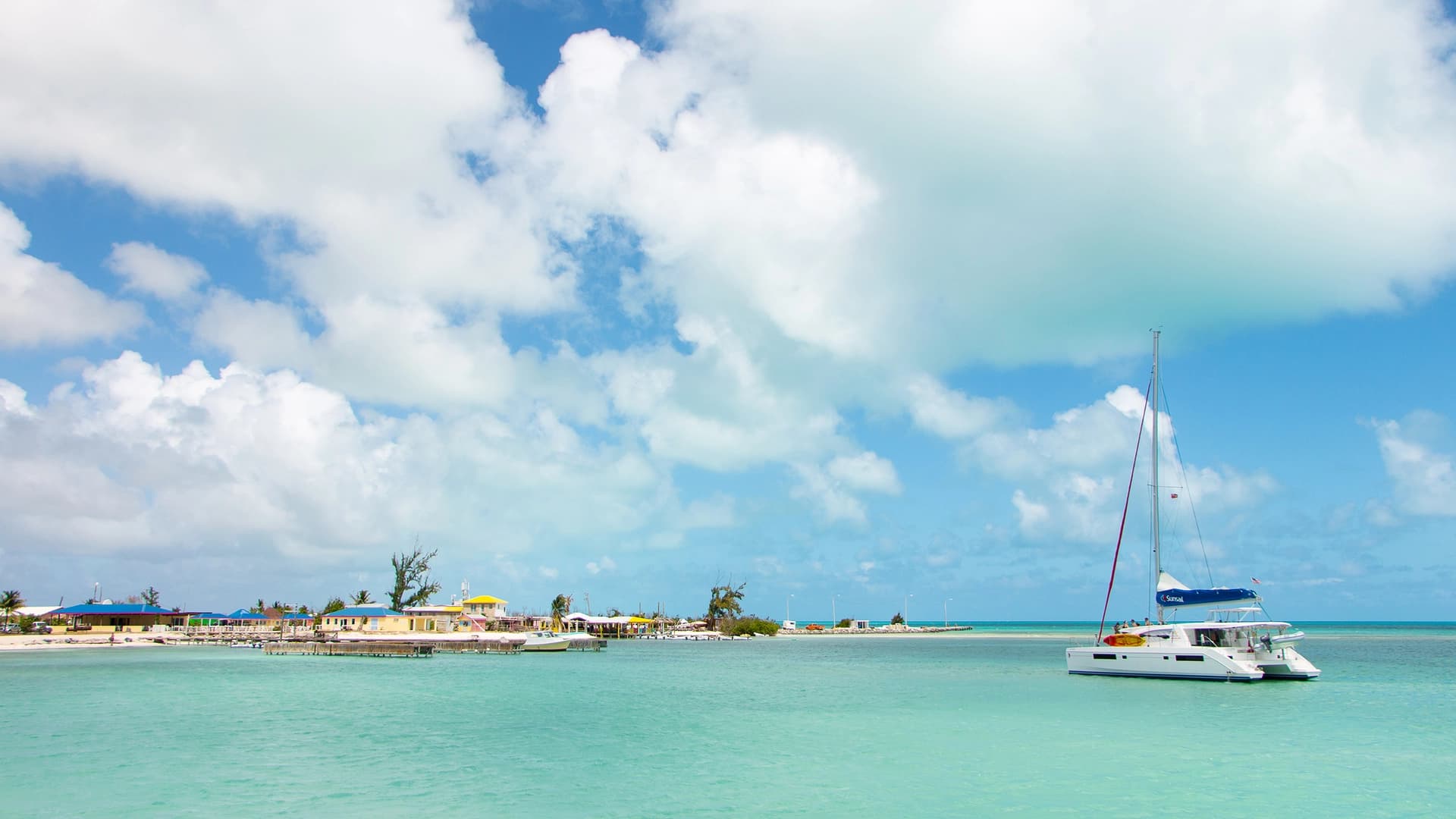
The main settlement and anchorage on the southern coast of Anegada, facing the inner lagoon behind Horseshoe Reef. The anchorage is shallow and sandy with good holding, protected from swell but open to light winds. The small pier serves ferries and supply boats, while beach bars and lobster restaurants line the shore. Setting Point is the island’s hub for visiting yachts and the gateway to Anegada’s beaches and salt ponds.
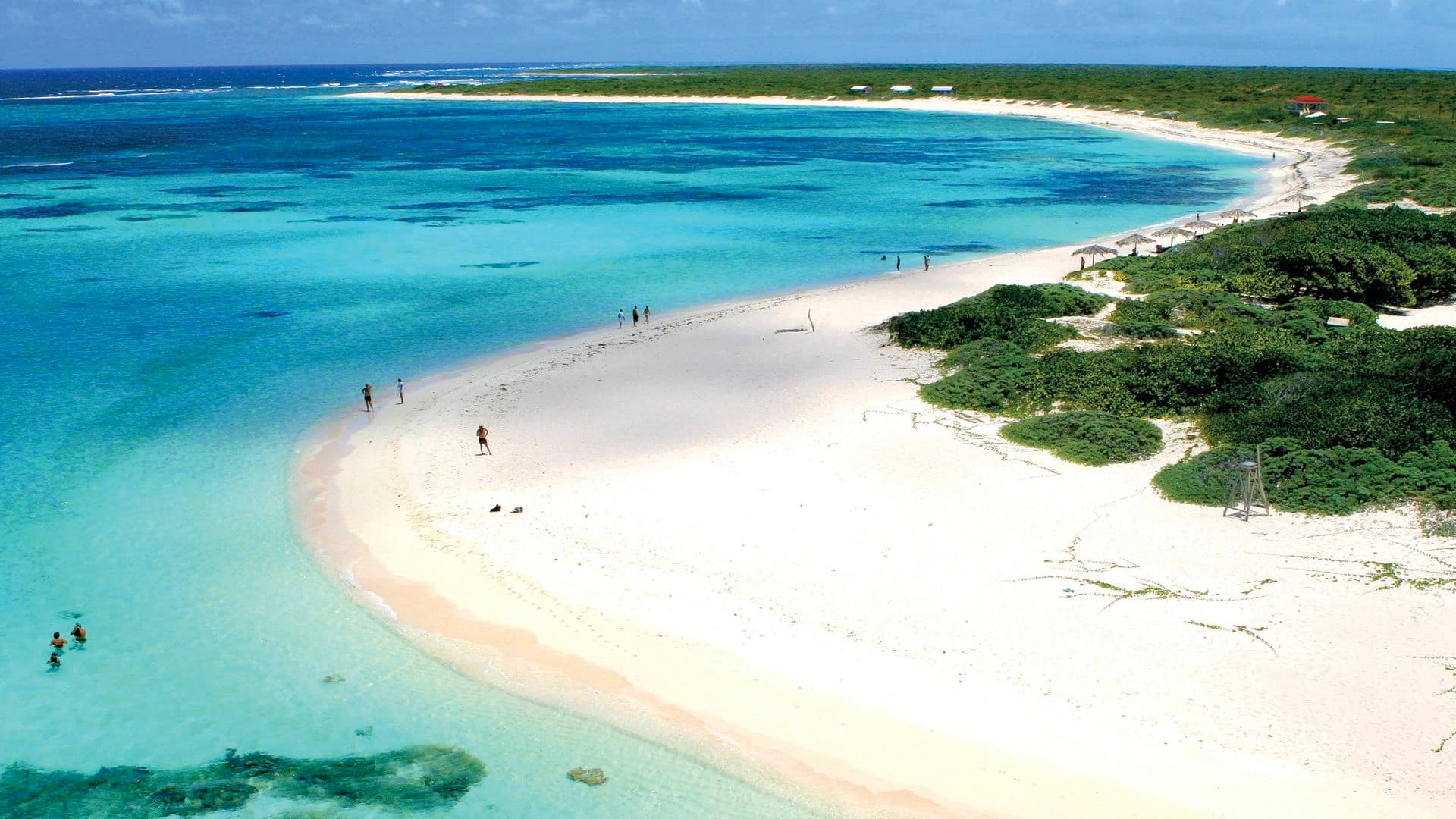
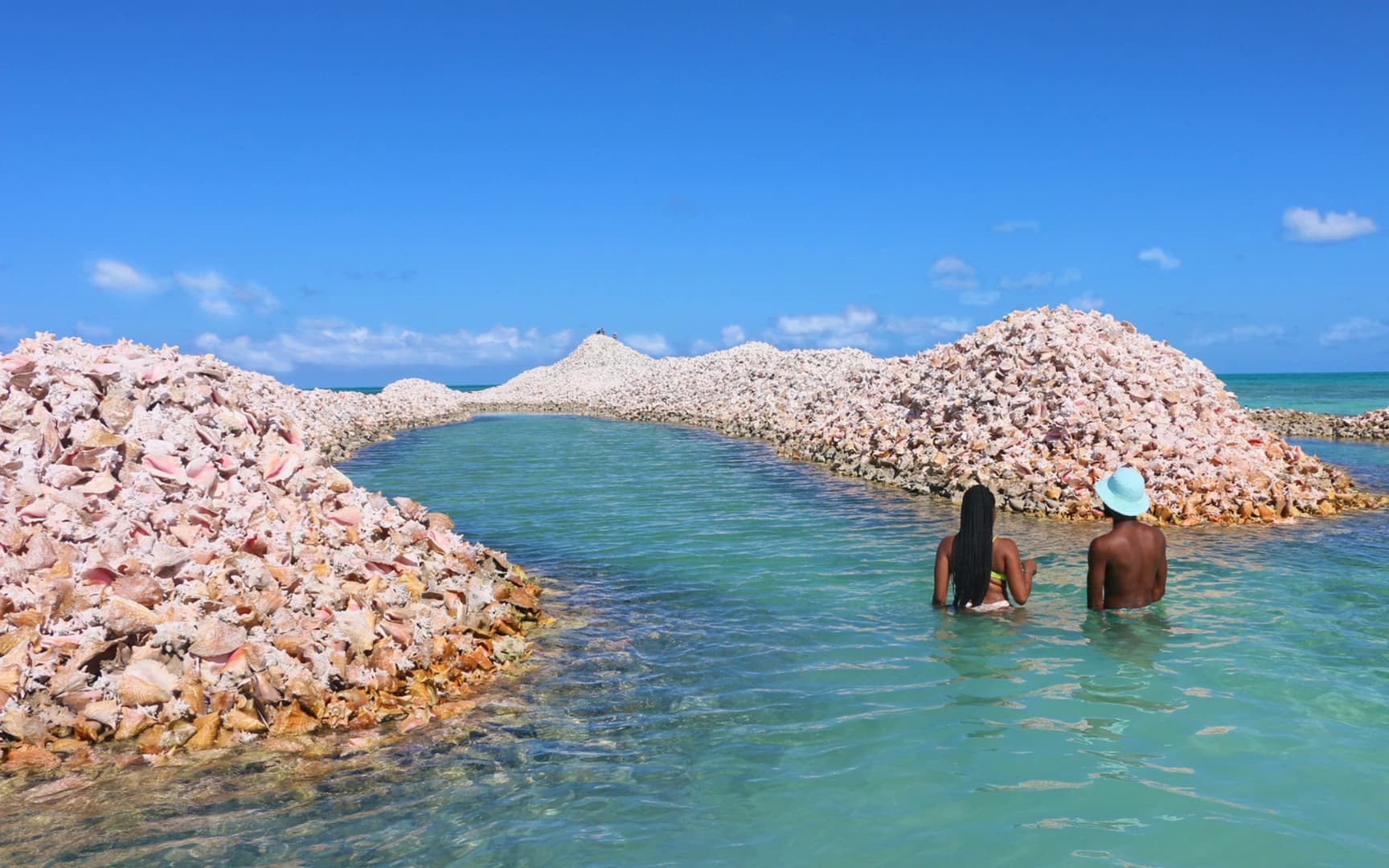
The northernmost island of the British Virgin Islands and the only one formed from coral and limestone rather than volcanic rock. Unlike the other high islands, Anegada is flat, rising barely 8 meters above sea level, surrounded by the 29-kilometer Horseshoe Reef - one of the largest barrier reefs in the Caribbean. The island is known for its endless white sand beaches, shallow turquoise flats, and lobster restaurants near Setting Point. Approaches require careful navigation due to coral heads, but the anchorage inside the reef offers calm water and firm sandy bottom.
A rocky headland at the southern tip of Guana Island, known as one of the best snorkeling sites in the British Virgin Islands. The underwater slope drops quickly from shallow coral gardens into deeper water filled with schools of jacks, tarpon, and colorful reef fish. The anchorage is small and exposed, suitable only for short daytime stops in calm conditions. The area is part of the Guana Island Marine Protected Zone and often visited by sea turtles and pelicans.
A private island north of Tortola, separated by the narrow Guana Channel and known for its seven beaches, nature trails, and coral reefs. The coastline combines steep green hills with white sand coves and calm anchorages in Lee Bay and Monkey Point. The water around Guana is exceptionally clear, with reef walls ideal for snorkeling and diving. The island is privately owned and managed as a wildlife sanctuary preserving native seabirds and iguanas.
A wide bay on the western side of Guana Island, facing Tortola across the channel. The bay has a long curve of soft white sand bordered by forested hills, with calm turquoise water protected by an outer reef. The anchorage is shallow with a sandy bottom and good holding, suitable for daytime visits in settled weather. The beach is part of the island’s private nature reserve and remains undeveloped, offering quiet scenery and clear swimming water.
A small island off the east coast of Beef Island, surrounded by coral reefs and shallow turquoise water. The bay on the southern side provides one of the most protected anchorages in the area, with sandy bottom and mooring buoys managed by the marina. The island is home to a small bar and dock, historically known as the setting of the 1930s memoir Our Virgin Island by Robb and Rodie White. The reef and nearby shallows offer excellent snorkeling in calm conditions.