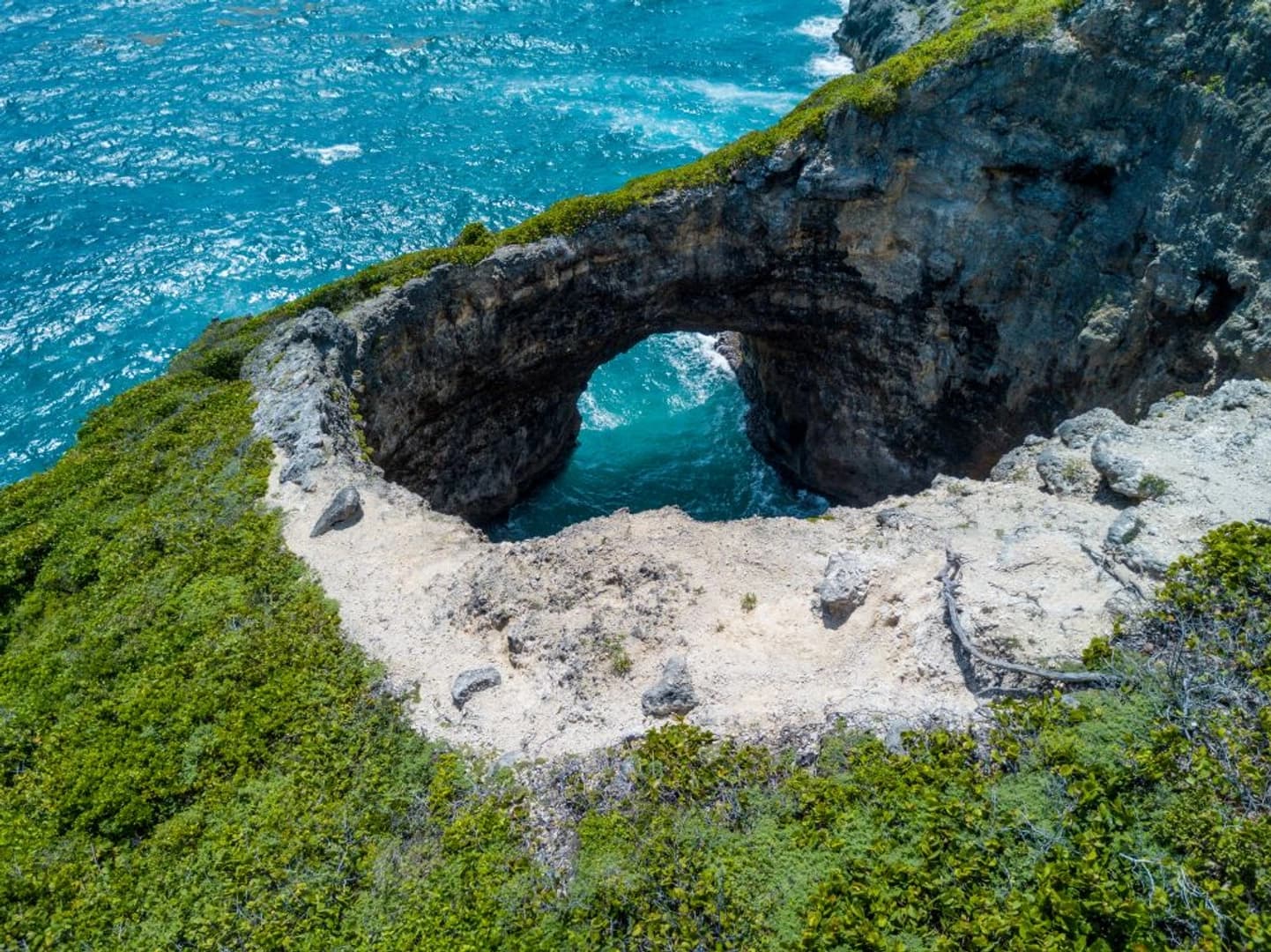
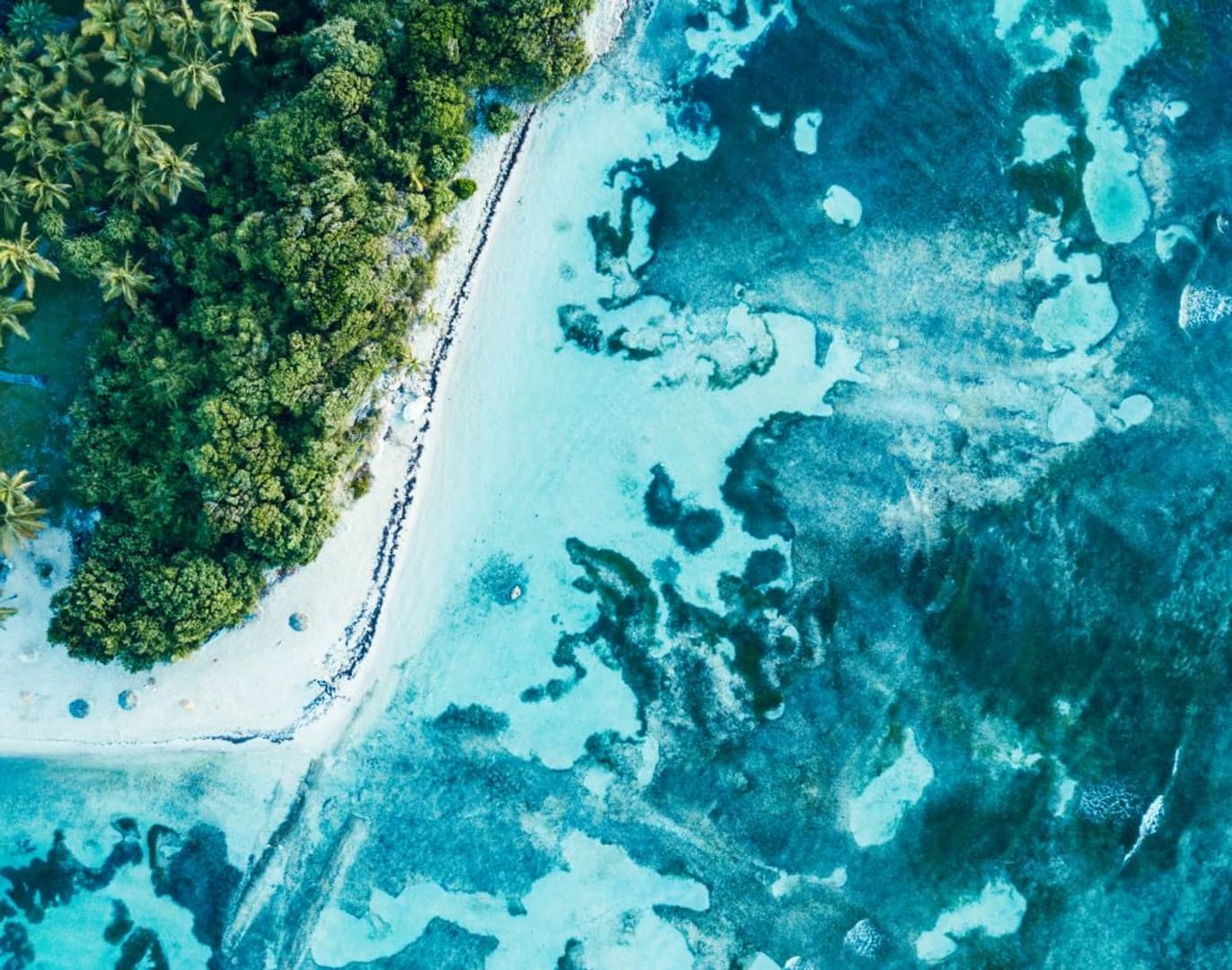
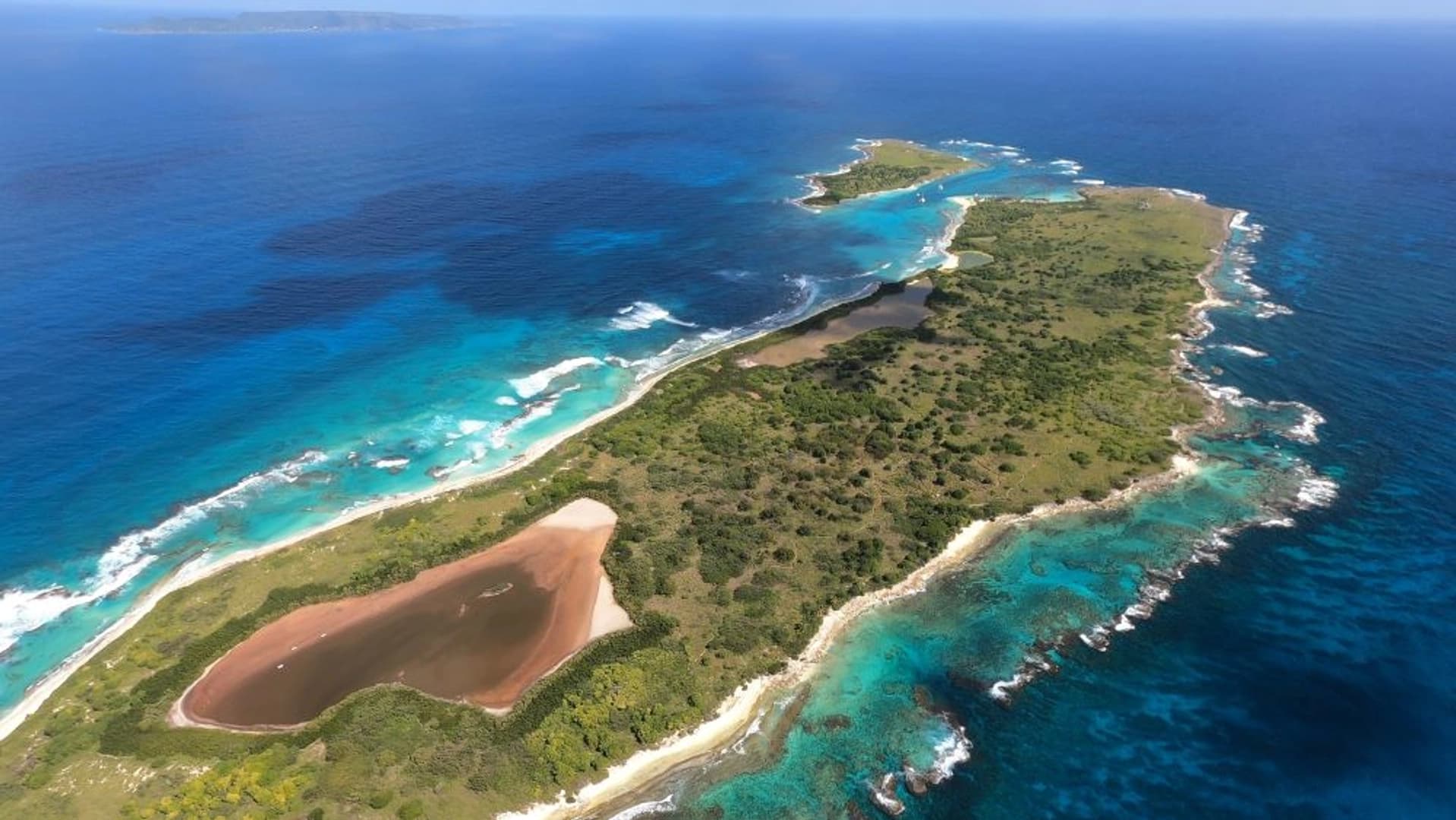
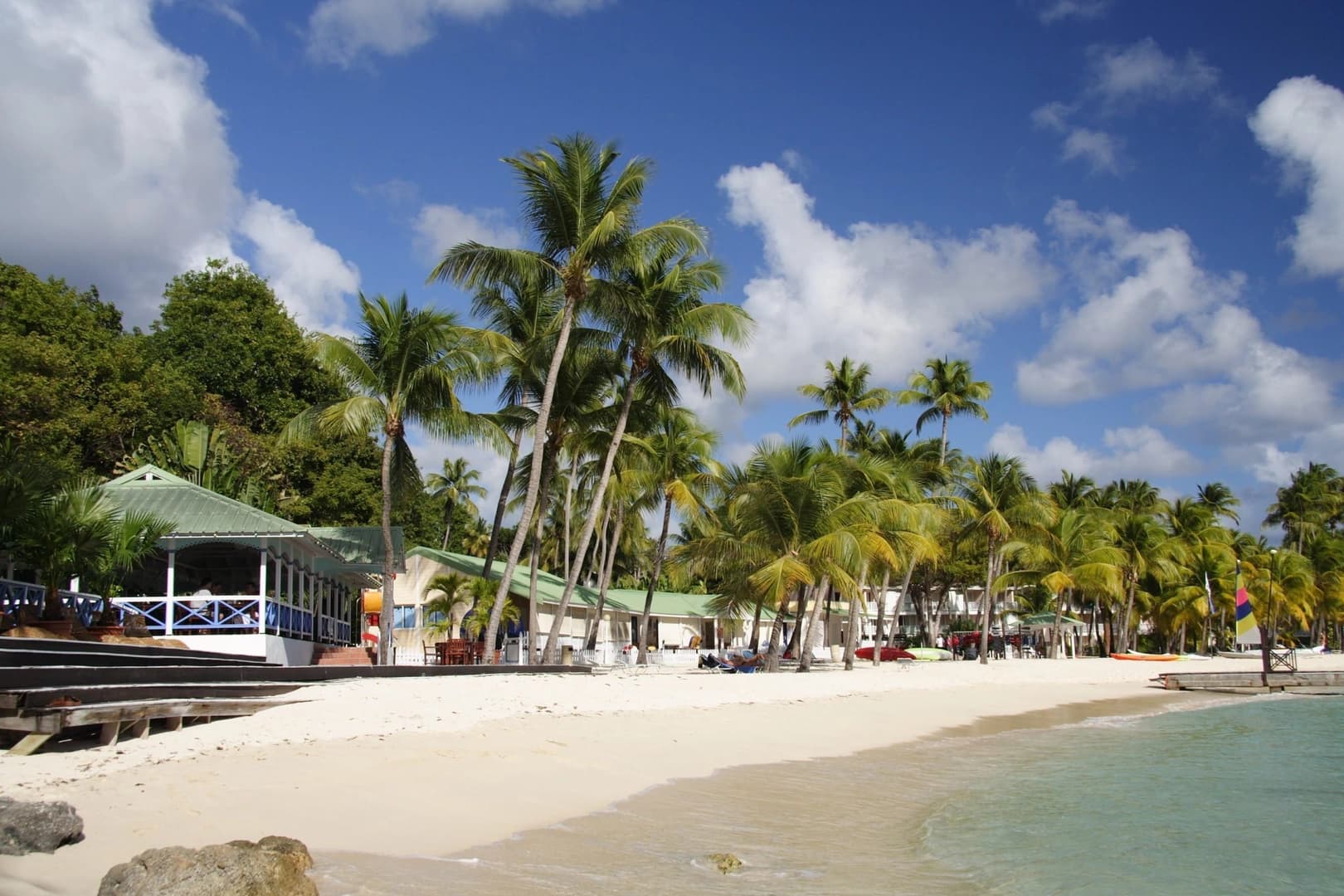
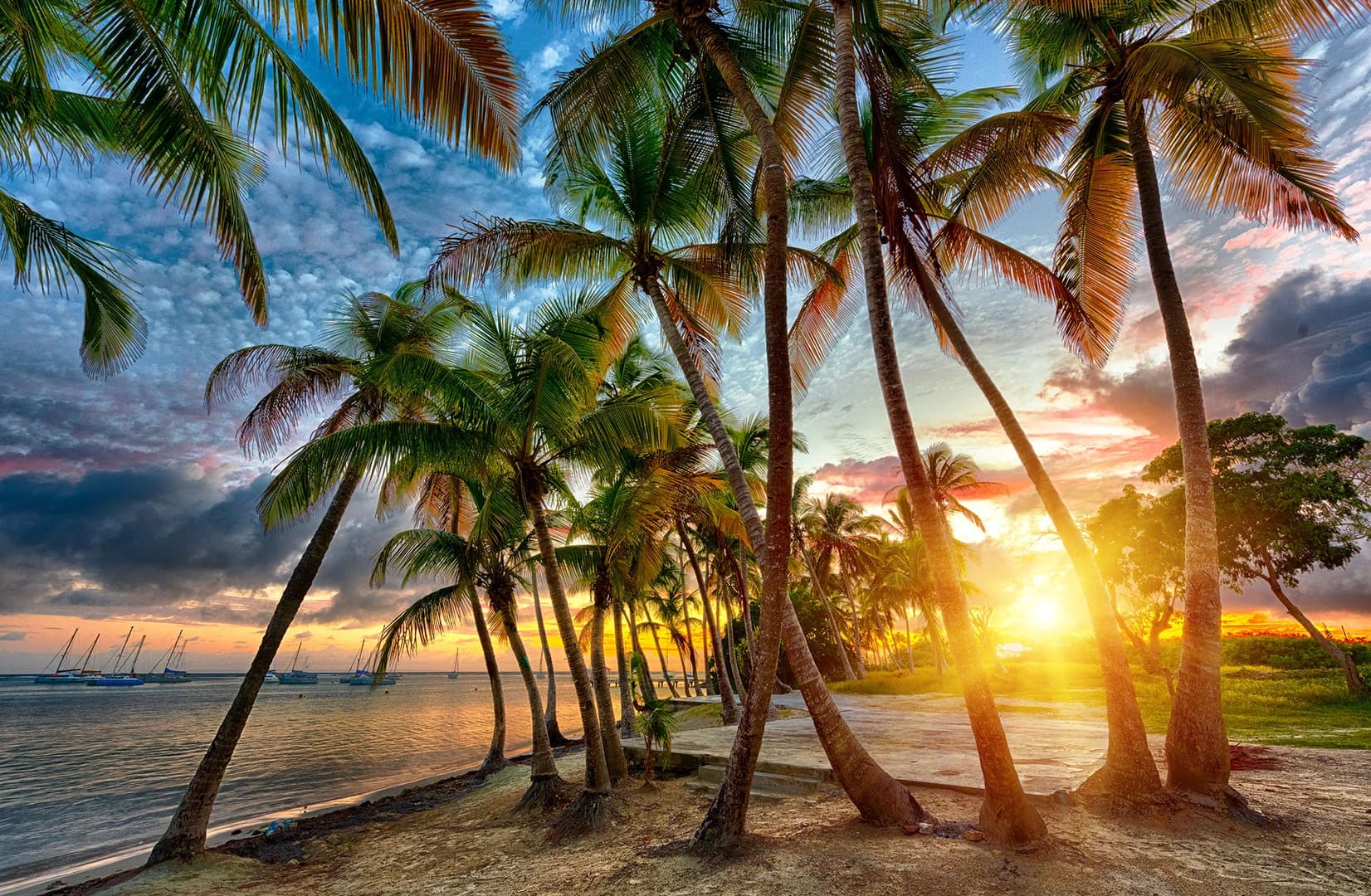
The eastern island of Guadeloupe, known for its low limestone terrain, white-sand beaches, and fringing coral reefs. Unlike volcanic Basse-Terre, Grande-Terre is mostly flat, with long coastal stretches, shallow bays, and steady trade winds that make it popular for sailing and kitesurfing. The coastline blends quiet fishing villages with developed resort areas, combining calm lagoons, reef passes, and lively seaside towns.
A large full-service marina located in Pointe-à-Pitre, Guadeloupe, on the southern shore of the Rivière Salée channel. It’s one of the main yachting hubs in the Lesser Antilles, offering over 1,000 berths for sail and motor yachts up to 50 meters. The marina provides customs clearance, fuel dock, repair yards, chandlery, and direct access to the Caribbean Sea through the outer channel. Protected from swell and trade winds, Bas-du-Fort serves as a safe year-round base for charters cruising between Guadeloupe, Dominica, and Antigua.
A mountainous “Nature Island” between Guadeloupe and Martinique, cut by valleys, rivers and active geothermal sites. Morne Trois Pitons National Park is a UNESCO World Heritage Site, home to the Boiling Lake, one of the largest hot lakes on Earth. Sperm whales are present year-round in the deep coastal waters, and the main yachting stopovers are Prince Rupert Bay at Portsmouth and the mooring fields off Roseau.
A broad, naturally sheltered bay on Dominica’s northwest coast, fronting the town of Portsmouth. Day and overnight anchorage are common on sandy bottom with gradual depths, and a field of serviced moorings lies off the town in the southern sector. The bay is framed by the Indian River to the south and the Cabrits peninsula to the north, where 18th-century Fort Shirley overlooks the water.
Two tiny islets off Malendure Beach, Bouillante, forming the heart of the Cousteau Reserve in Guadeloupe National Park. Clear water, coral gardens, and abundant fish life make it a signature snorkeling and diving area; mooring buoys are set near the islets for day visits in settled weather.
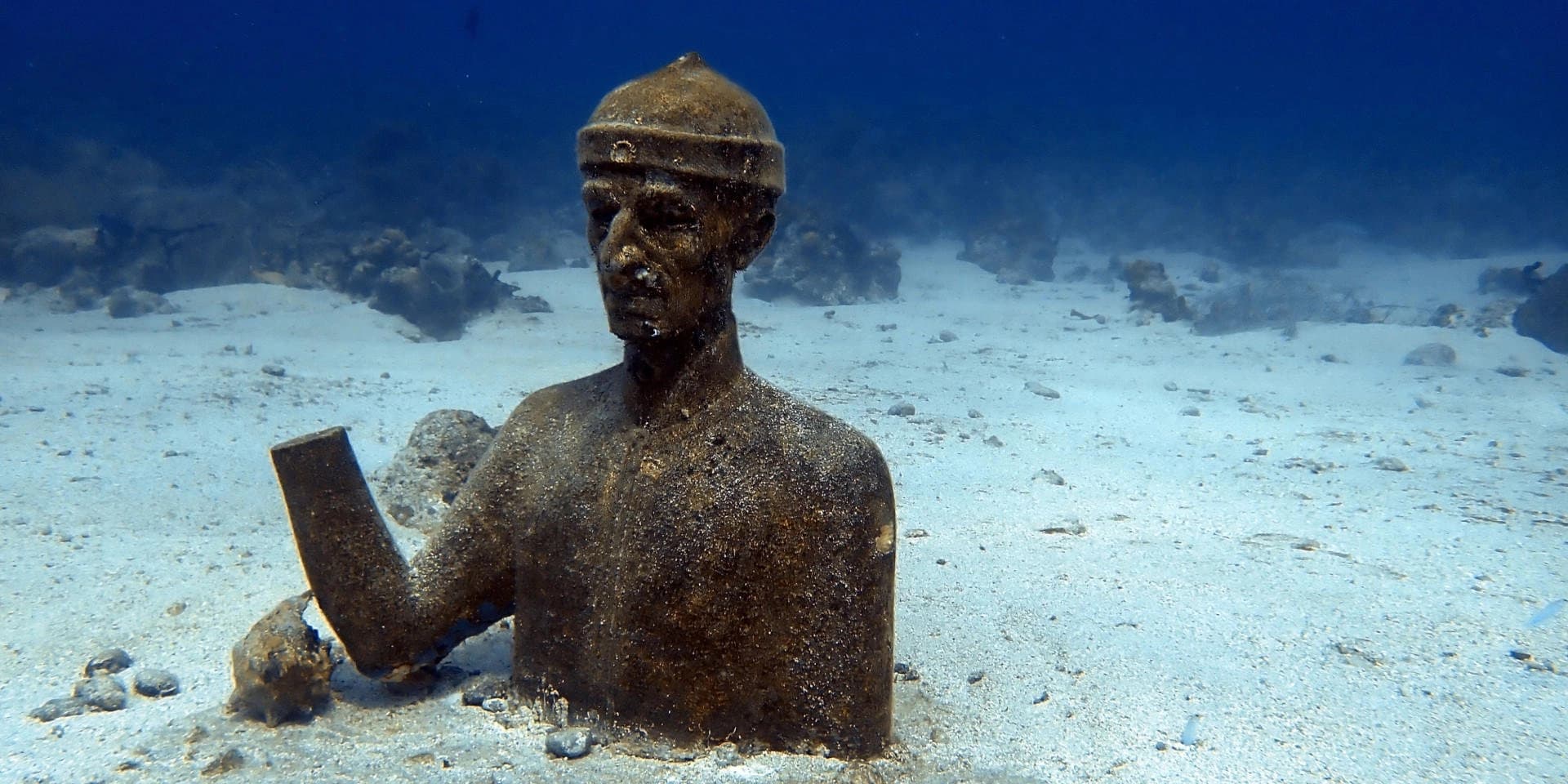
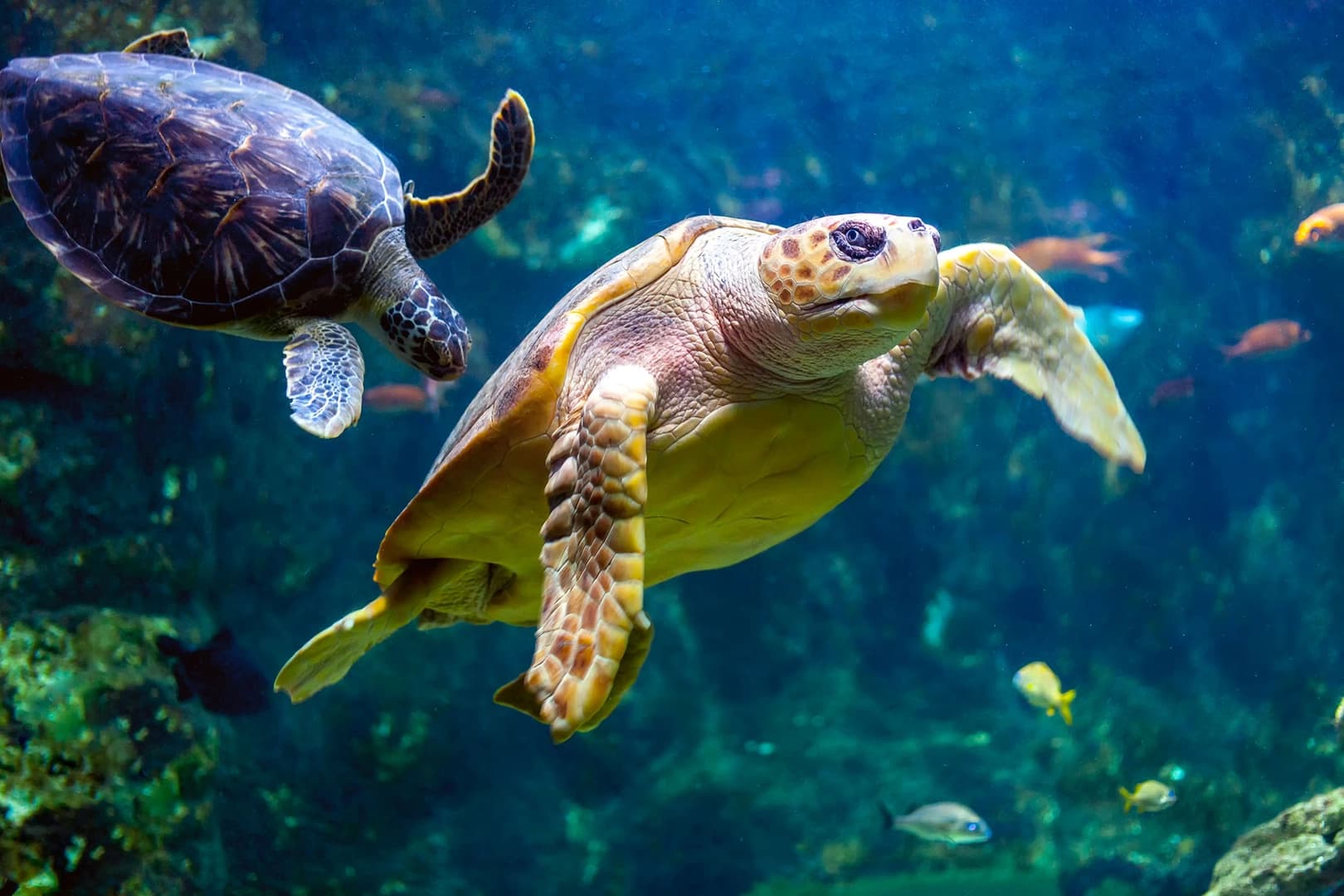
A protected marine area off Malendure Beach, centered on the Pigeon Islets on the leeward coast of Basse-Terre. The reserve covers roughly 400 hectares around coral reefs and drop-offs with sea turtles, seahorses, sponges and large sea fans. Fixed mooring buoys are installed to protect the seabed, and an underwater bust of Jacques Cousteau rests at about 12 m.
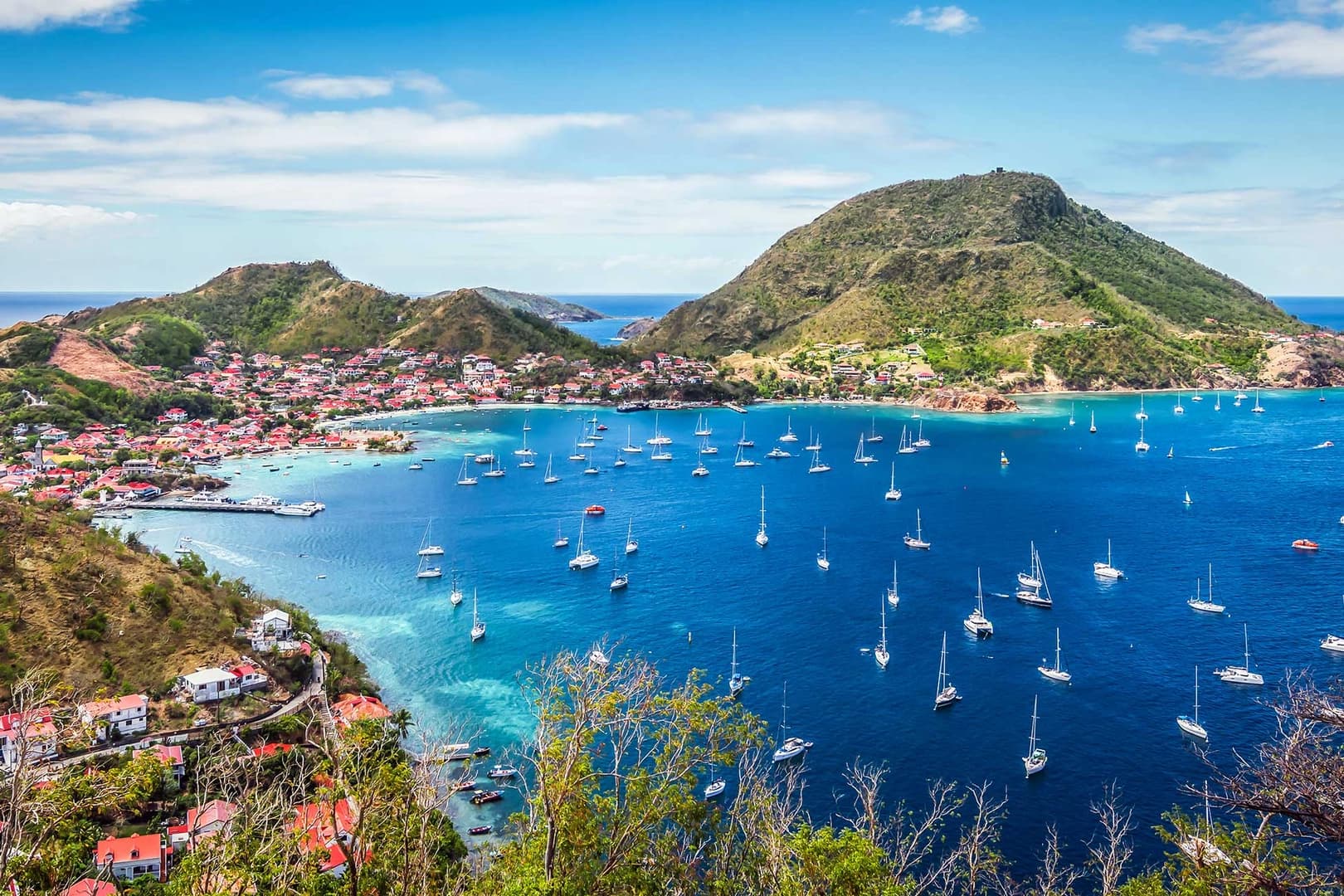
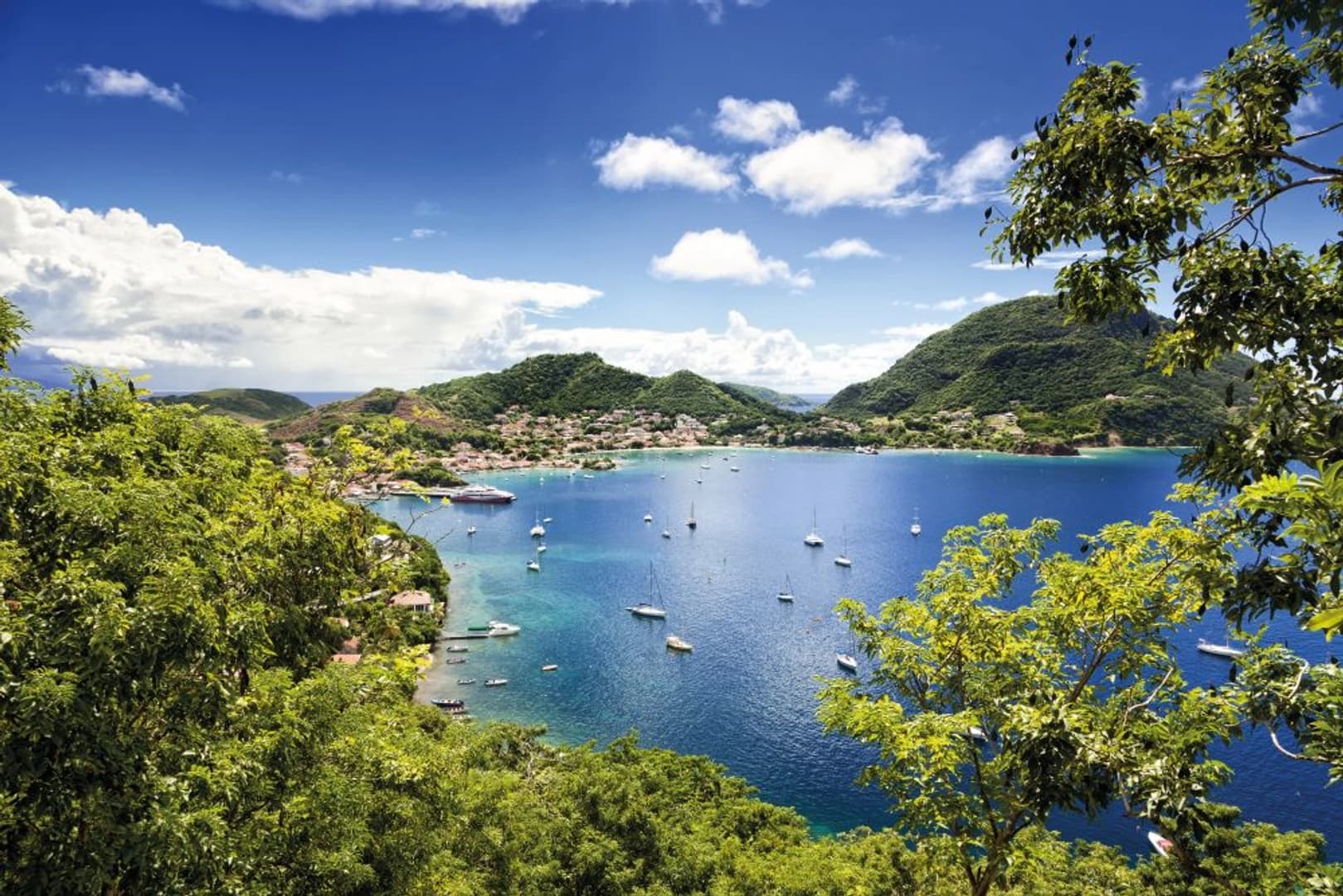
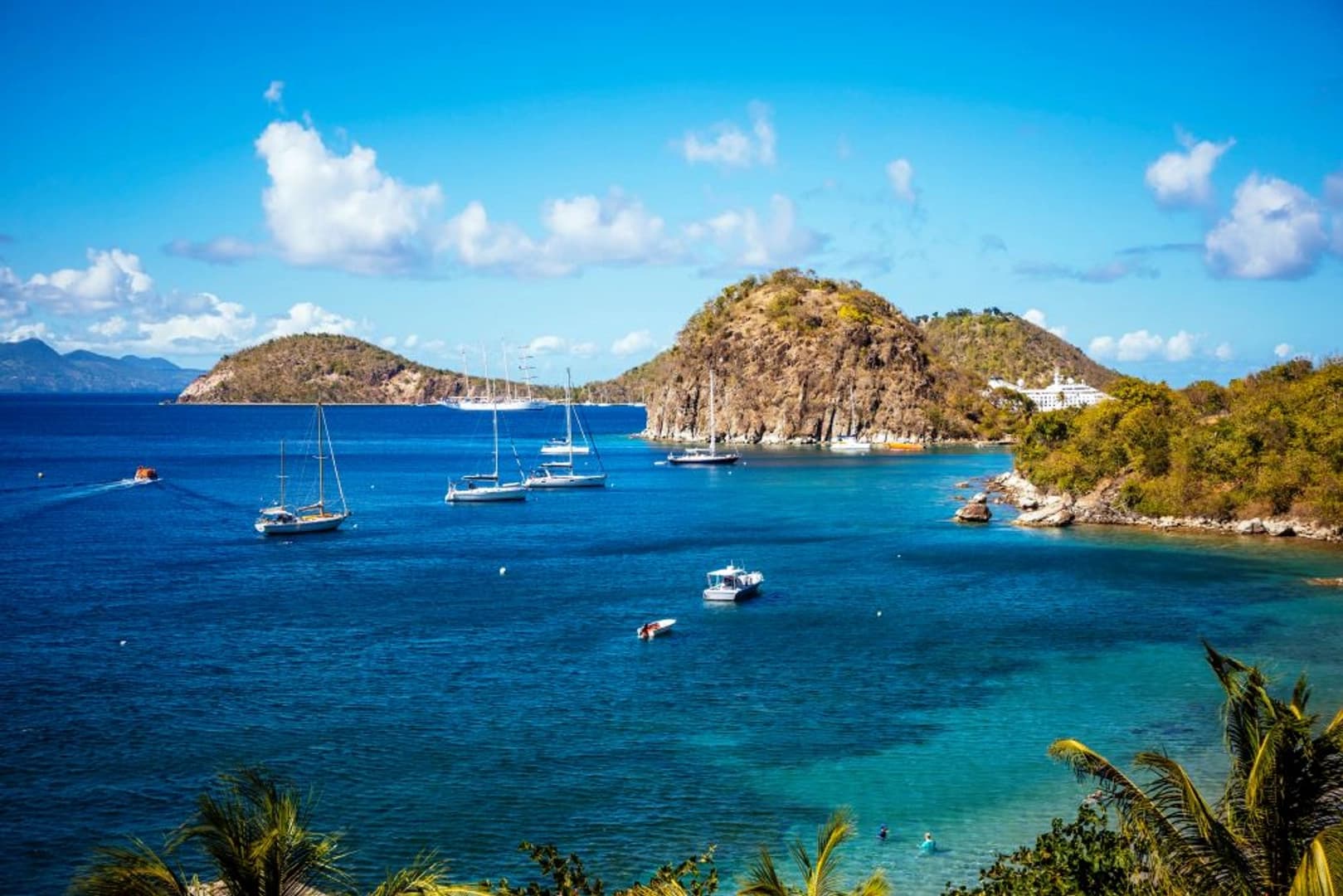
A small Caribbean archipelago south of Guadeloupe, centered on Terre-de-Haut and Terre-de-Bas, with clear water, coral shelves, and steep green hills. Les Saintes Bay is widely cited among the most beautiful bays in the world, with red-roofed villages and vivid turquoise water on approach. Above the harbor stands Fort Napoléon, now a museum with panoramic views over the bay
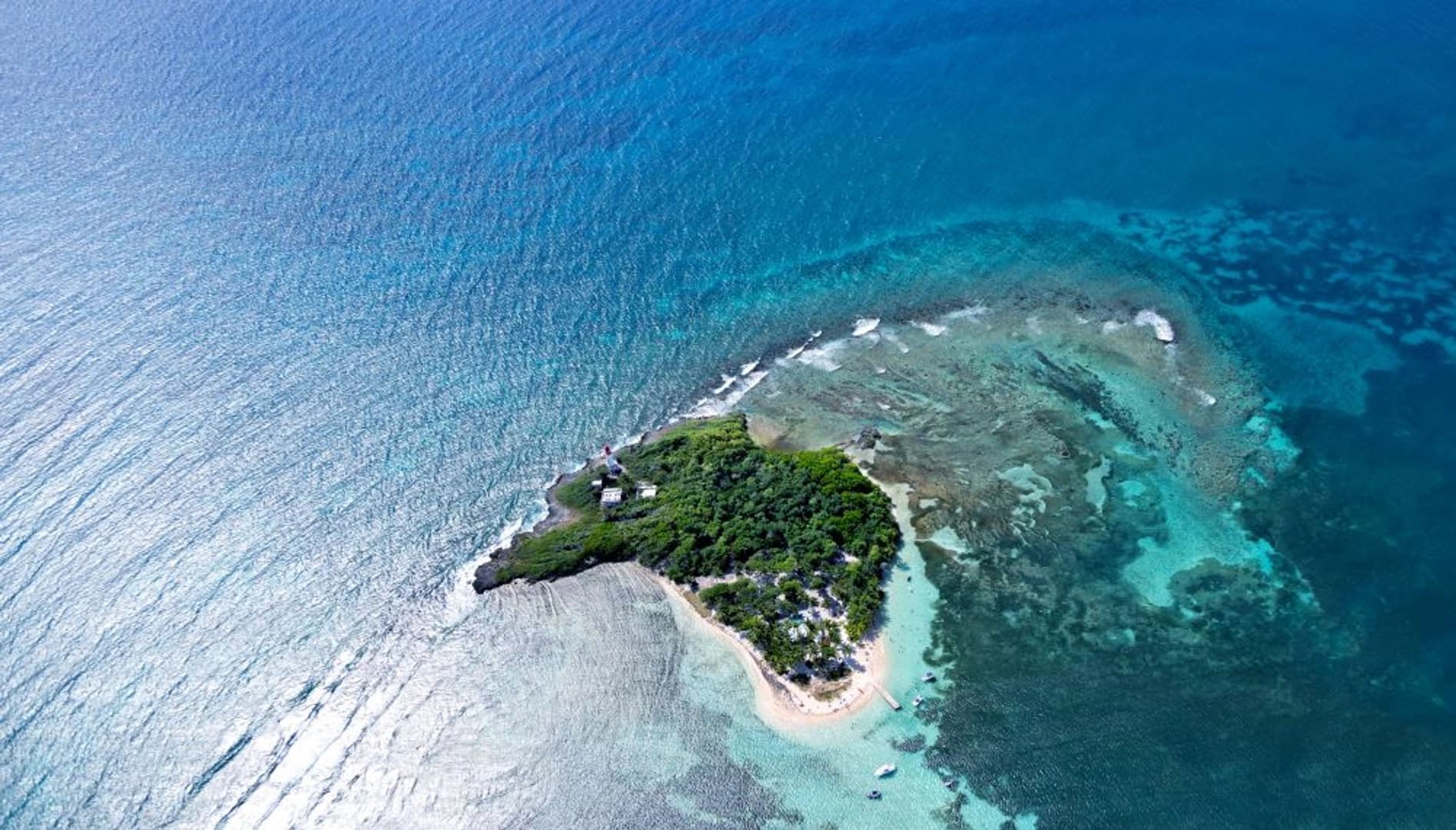
A small coral islet just off Le Gosier on the south side of Grande-Terre, encircled by clear turquoise water, sandy coves, and shallow reef gardens ideal for swimming and snorkeling in settled weather. The seabed is mostly sand with patches of seagrass around the eastern side, and day anchorage is possible in calm conditions. The red-lantern lighthouse on the islet dates from 1928, succeeding earlier lights first established in 1852, and has been automated since 1973
he main inhabited island of Les Saintes, with a deep natural bay backed by steep green hills and red-roofed Bourg des Saintes. Fort Napoléon crowns the ridge above the harbor, built in the 19th century and today a museum with panoramic views. Les Saintes Bay is widely cited among the most beautiful bays in the world
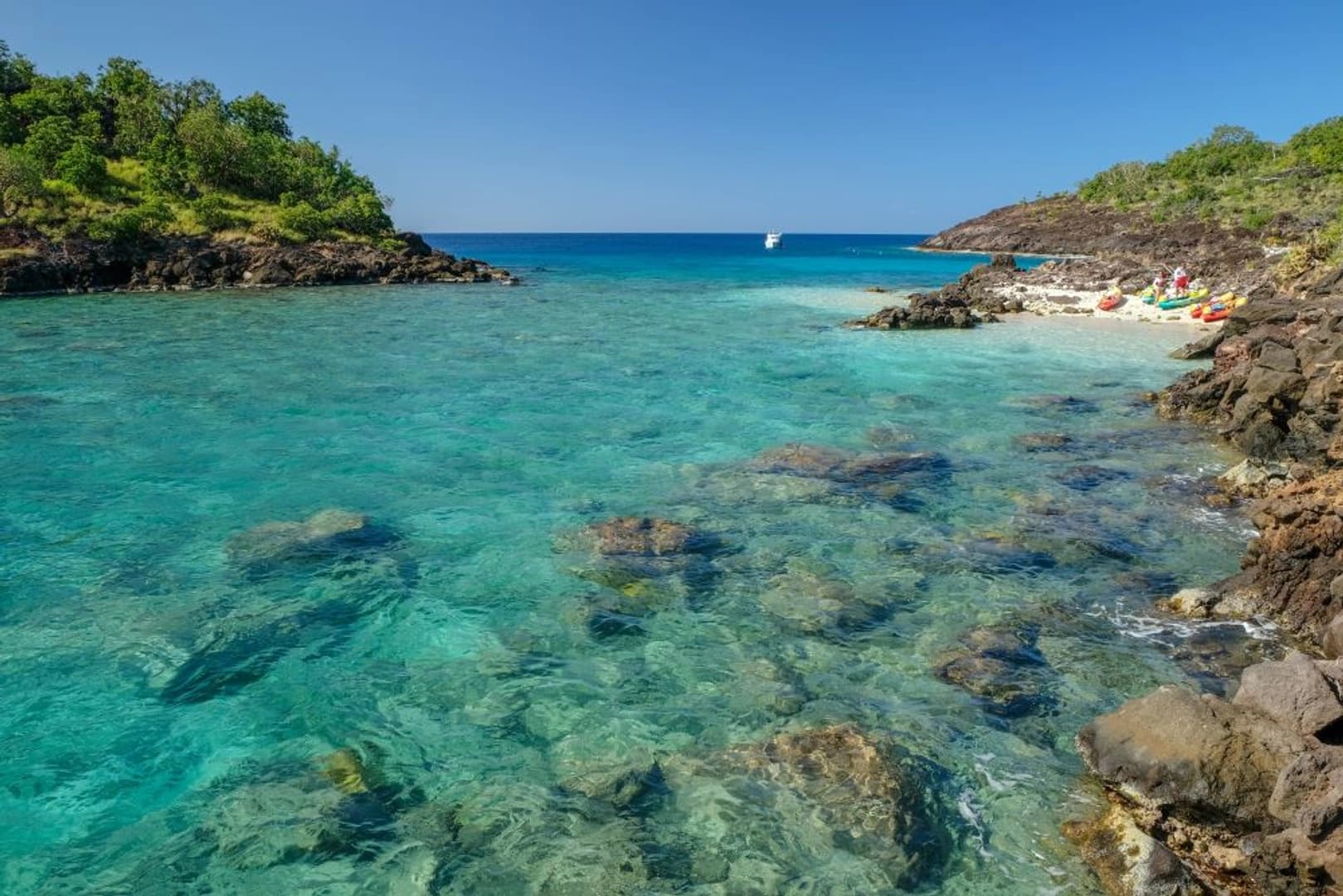
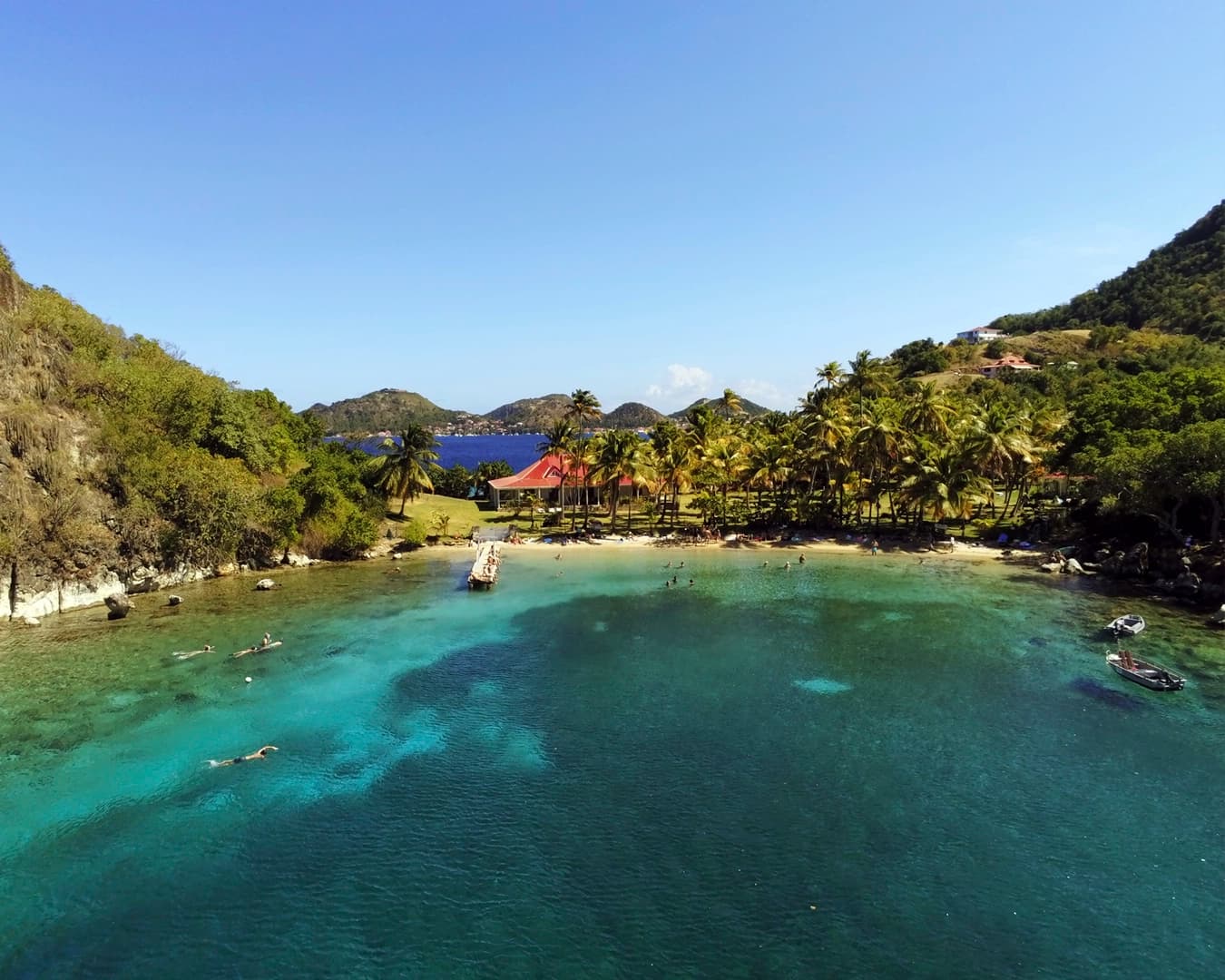
A small cove at the southwestern tip of Terre-de-Haut, beneath the basalt headland known as Pain de Sucre. Clear, sheltered water and a sandy bottom make it a calm daytime stop with excellent snorkeling around the rocky points. The headland shows striking columnar basalt and is a listed natural site in France dating to 1930.
A large full-service marina located in Pointe-à-Pitre, Guadeloupe, on the southern shore of the Rivière Salée channel. It’s one of the main yachting hubs in the Lesser Antilles, offering over 1,000 berths for sail and motor yachts up to 50 meters. The marina provides customs clearance, fuel dock, repair yards, chandlery, and direct access to the Caribbean Sea through the outer channel. Protected from swell and trade winds, Bas-du-Fort serves as a safe year-round base for charters cruising between Guadeloupe, Dominica, and Antigua.